Start a new quote
New customer to Sun Coast? You are in the right place. Select a product below to get started.
New customer to Sun Coast? You are in the right place. Select a product below to get started.








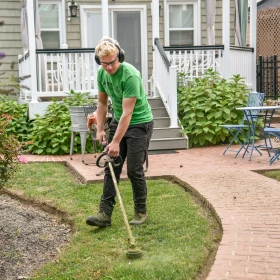
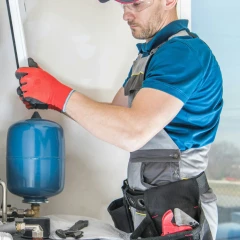




Whether you’re a solo handyman, a freelance electrician, or a small team doing kitchen remodels, working as an independent contractor gives you flexibility and control. But it also puts risk directly on your shoulders. Many contractors assume their clients’ policies will protect them if something goes wrong. Others think their work is too small to need insurance. Both assumptions can lead to serious financial trouble. If you’re in the business of providing a service, swinging a hammer, or giving advice—yes, you likely need your own insurance. This guide explains why, what types of coverage are relevant, and how to protect your business without breaking the bank.
Accidents happen—on the jobsite, in a client’s home, or even after the work is done. If a pipe bursts because of an installation error or someone trips over your tools, you could be held personally liable. Lawsuits, property damage, and injury claims aren’t limited to large firms. Independent contractors are sued every year for everything from broken windows to breached contracts. Without insurance, one bad day could wipe out years of income. Insurance may help cover legal fees, medical bills, repair costs, or lost equipment—so a single claim doesn’t derail your business.
Even if you’ve never had a claim, some clients or municipalities may require proof of coverage before they’ll hire you or issue permits. Many general contractors require subcontractors to carry their own insurance before they’re allowed on a jobsite. If you’re bidding on commercial jobs, working in construction zones, or offering specialized services, being uninsured can disqualify you from the work entirely. Having your own policy makes you look professional, credible, and prepared.
There’s no one-size-fits-all policy. Your coverage should match the type of work you do, where you do it, and the risks involved. Common policies include:
General Liability Insurance may help cover third-party injuries or property damage caused during your work. If a client trips on your ladder or you crack a countertop, this may help pay for medical costs or repairs.
Professional Liability Insurance (Errors & Omissions) may help if you’re accused of negligence, bad advice, or incomplete work—especially in design, consulting, or project management roles.
Workers’ Compensation Insurance may be required if you have employees. It may cover injuries or illnesses that happen on the job, including medical care and lost wages.
Commercial Auto Insurance may help if you use a vehicle for work—especially if it’s registered in a business name or used to transport tools and equipment.
Tools and Equipment Coverage may help replace or repair stolen, lost, or damaged gear—whether it’s in your truck or on a jobsite.
Bonding or Surety Bonds aren’t insurance but are often required by clients to guarantee work completion or protect against dishonesty.
An HVAC tech accidentally damages a client’s drywall during installation. General liability may help cover the repair.
A landscaping contractor’s trailer is broken into overnight. Tools and equipment coverage may help replace stolen gear.
A client claims you failed to deliver a promised service and demands a refund. Professional liability coverage may help with legal costs.
An employee falls off a ladder and breaks an arm. Workers’ comp may help pay for medical treatment and lost income.
These situations can happen to anyone—whether you’re doing weekend projects or full-time builds.
Working without insurance can feel like a cost-saving move—until something goes wrong. If you’re found liable for injury or damage, you could face:
Even one incident can have long-lasting effects on your business and reputation. Insurance may feel optional until it’s absolutely necessary.
Start by assessing your work type. Are you in a physical trade like roofing or plumbing, or do you provide advisory services like design or engineering? Physical trades often benefit most from general liability and equipment protection. Service-based contractors may lean more on professional liability. Next, consider state requirements. In some states, contractors must carry minimum insurance levels to be licensed or certified. Check local laws or talk to a licensing board. Finally, look at client expectations. If your clients are other businesses, commercial property managers, or general contractors, you’ll often need to show a certificate of insurance to land or keep a job.
When selecting coverage, pay attention to:
Choose limits that reflect your job size and risk level. A residential handyman may need less coverage than a contractor managing multi-unit renovations. But underinsuring can leave you exposed, so strike a balance between cost and protection.
Premiums vary widely based on your trade, location, claims history, and the size of your operation. A solo painter might pay under $500 per year for liability coverage, while a contractor with employees and heavy machinery might pay several thousand. Factors that influence cost include:
High-risk trades like roofing or demolition tend to pay more, while lower-risk contractors like painters or handymen may pay less. You may be able to reduce premiums by choosing higher deductibles, bundling policies, or maintaining a clean claims history.
When shopping for contractor insurance, ask:
Getting clear answers up front can prevent gaps or surprises when it counts.
You work hard, take pride in your craft, and put your name on everything you build. That deserves protection. Contractor insurance isn’t just about compliance—it’s about security, professionalism, and peace of mind. It shows clients that you’re serious, keeps your business running if something goes wrong, and protects your future income from sudden setbacks. Whether you’re just starting out or growing fast, having the right coverage in place helps you focus on what you do best: getting the job done.