Personal Watercraft in Arizona

Arizona Jet Ski Insurance Built for Riders Who Don't Stop at Summer

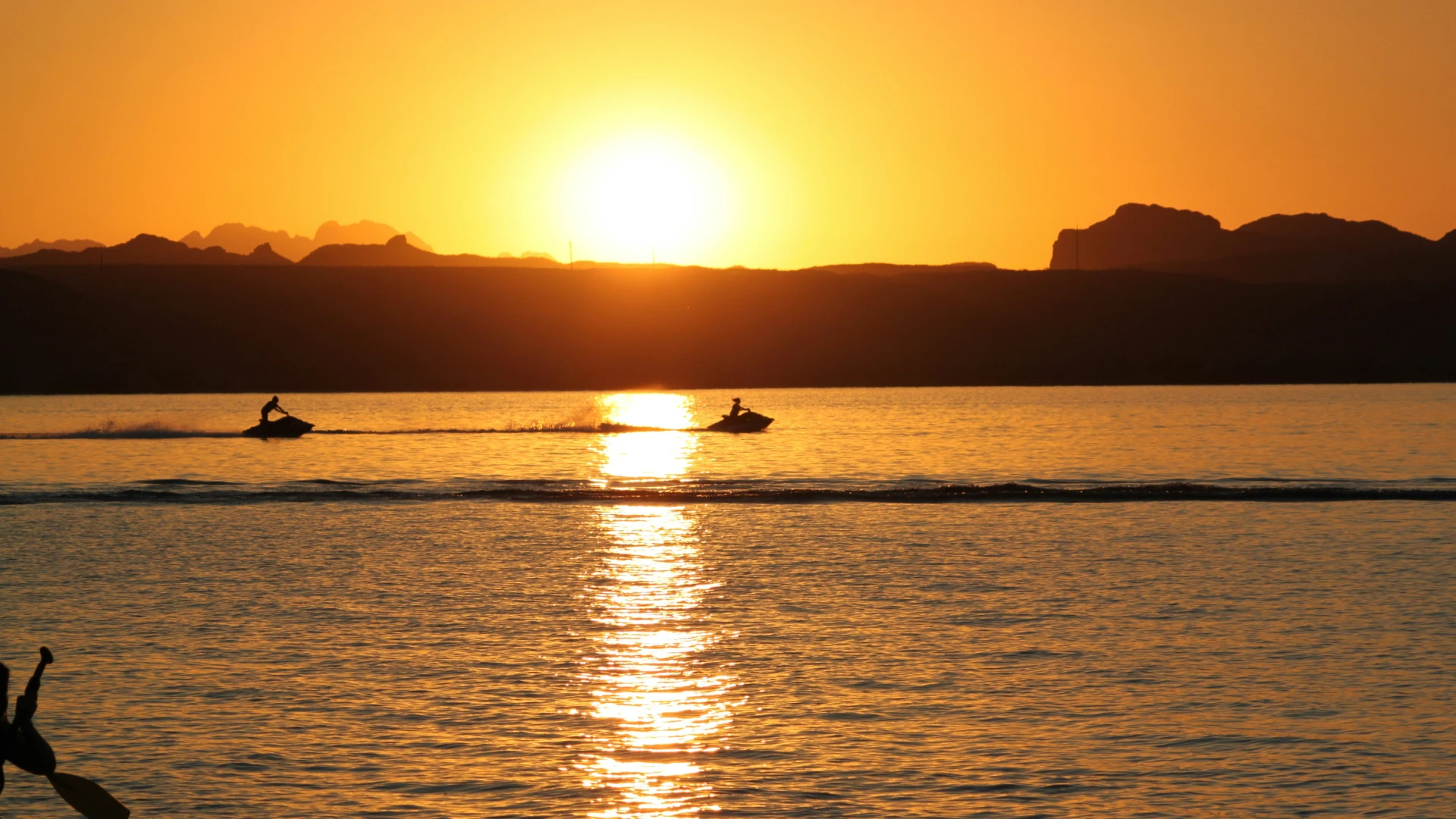
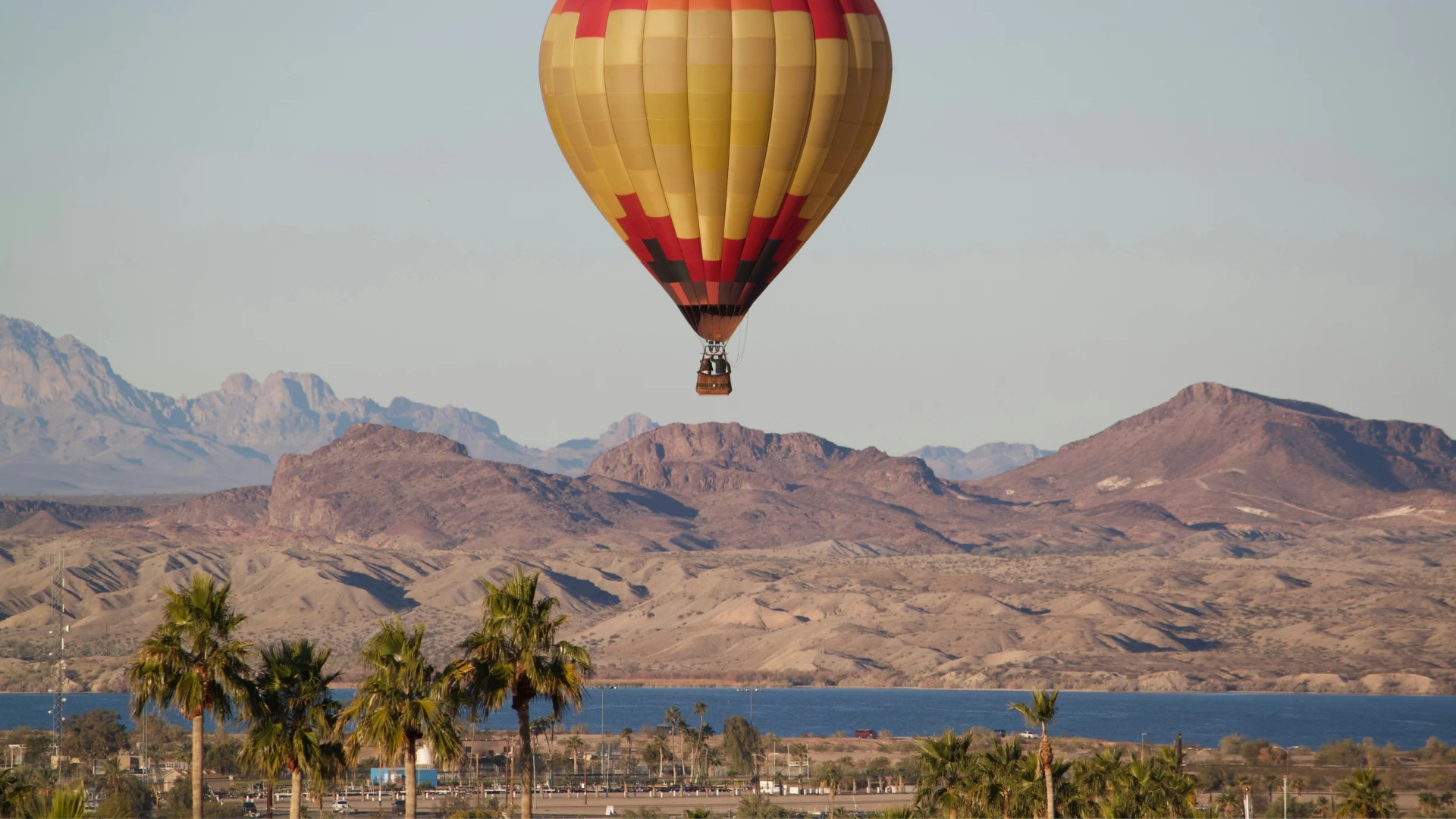
Arizona might be landlocked, but it's one of the best PWC states in the country. Lake Havasu City alone draws hundreds of thousands of riders every year — and that's before you count Lake Mead, Saguaro Lake, Roosevelt Lake, and the Colorado River corridor that runs hundreds of miles through the western half of the state.

If you ride in Arizona, you need personal watercraft insurance. Here's what coverage looks like for Arizona riders, what the state requires, and how to make sure you're protected whether you're tearing across Havasu Bay or exploring the canyon lakes outside Phoenix.
Person fishing from the front of a boat named The Fish Tank on calm open water under a clear sky.
Arizona PWC Insurance Requirements

Is PWC Insurance Required in Arizona?

Arizona does not require PWC owners to carry liability insurance by law. But "not legally required" is very different from "not needed."

Most marinas, launch ramps, and organized events at Lake Havasu, Saguaro, and Roosevelt require proof of liability coverage. If you're renting a slip or storing your watercraft at a marina, liability insurance is almost always a condition of the rental agreement.

More importantly, a PWC traveling at 60+ mph can cause serious property damage and injury in seconds. Medical bills from a collision can run into six figures. Without liability coverage, those costs come directly out of your pocket.

Build your coverage

What PWC Insurance Can Cover in Arizona

A standard personal watercraft policy breaks down into four core coverages:
Icon of a shield
Recommended

Liability coverage

May pay for damage or injuries you cause to other people or their property. If your Sea-Doo clips another boat's hull or you collide with a swimmer, liability may pay for  repairs, medical bills, and legal costs if they sue. Most Arizona marina agreements require a minimum of $300,000 in liability coverage.
Icon of boats with arrows around them
Recommended

Physical Damage Coverage

May pay to repair or replace your own watercraft if it's damaged in a collision, capsized, or totaled. Shallow canyon lakes (Saguaro, Apache, Canyon Lake) have rocky shorelines and submerged hazards that aren't always visible at speed.
Icon of a shield with a USD symbol on it

Medical Payments Coverage

May pay for your own medical expenses if you're injured in a PWC accident, regardless of fault. Given Arizona's remote lake locations — many canyon lakes are 30–45 minutes from the nearest hospital — this coverage is worth carrying.
Icon of a radar

Uninsured Watercraft Coverage

Provides financial protection for boat accessories and equipment such as electronics, fishing gear, and safety items in the event of theft or damage.

Person fishing from the front of a boat named The Fish Tank on calm open water under a clear sky.
Using a PWC in Arizona

Arizona-Specific Risks Worth Knowing

The canyon lakes are shallow and rocky. Saguaro, Canyon, Apache, and Roosevelt lakes all have rocky bottoms and submerged debris, particularly after monsoon season churns up the shoreline. Impact damage is more common here than on open-water lakes.

Monsoon season runs July through September. Arizona's summer storm season brings fast-moving thunderstorms, microbursts, and flash flooding. Lake conditions can change from calm to dangerous in under 30 minutes. Physical damage coverage covers weather-related losses including flooding and storm damage.

Lake Havasu draws massive crowds in spring and summer. Spring Break at Lake Havasu is one of the busiest PWC events in the western US. Higher traffic density means higher collision risk. If you're riding during peak season events, this isn't the time to skip liability coverage.

Temperatures regularly exceed 110°F. Heat is a real risk factor for mechanical issues. Overheating engines, degraded fuel lines, and battery failures are more common in Arizona summers.

The Colorado River corridor crosses state lines. If you're riding from Havasu into Nevada (Lake Mead), your policy needs to cover multi-state operation. Standard Sun Coast PWC policies cover operation throughout the continental US — but worth confirming with your agent.

Things to Know

Lake Havasu: The PWC Capital of Arizona

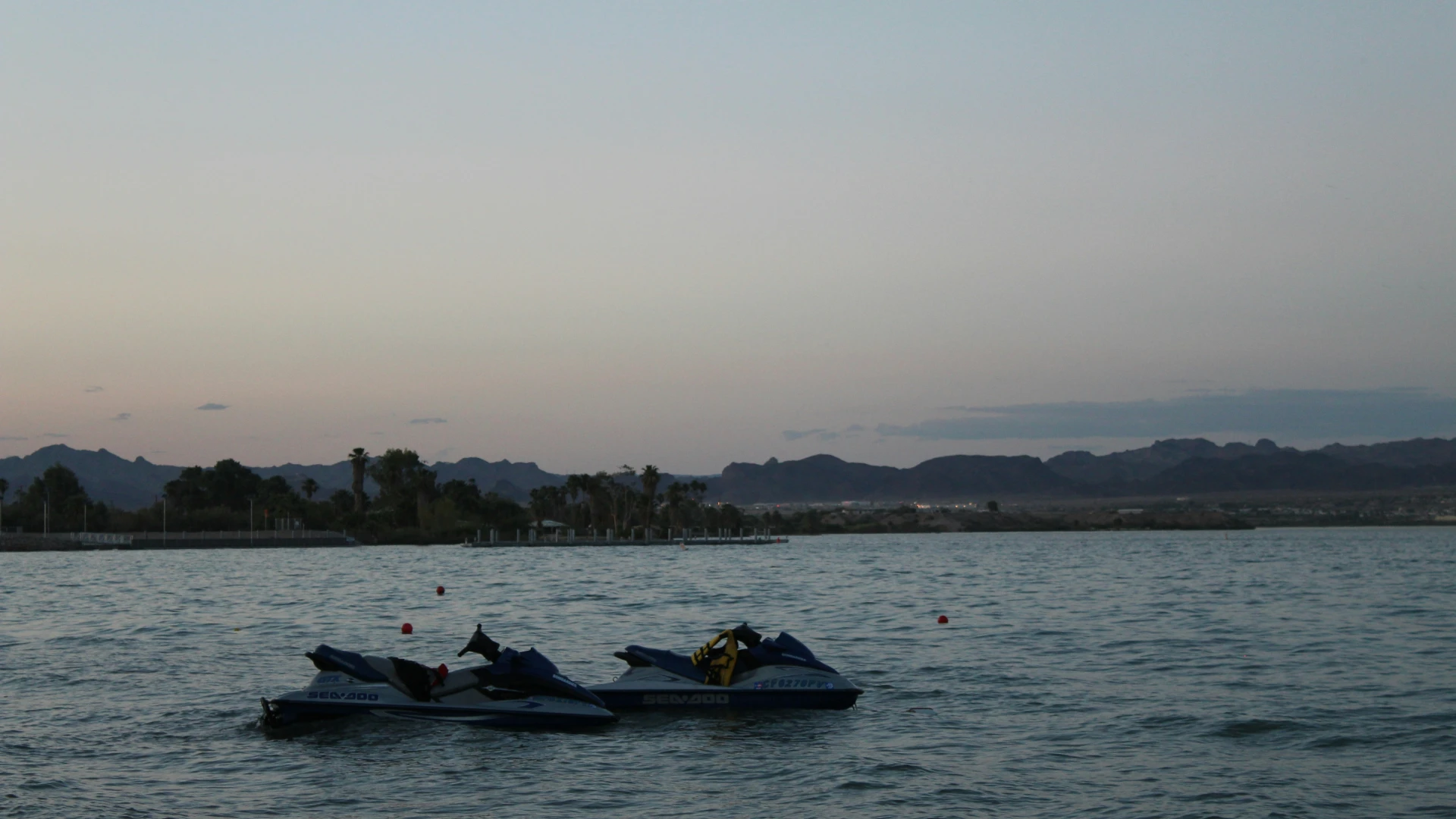
Lake Havasu City built its identity around watercraft recreation. The 60-mile lake is warm enough to ride year-round, wide enough for open-water runs, and calm enough in the mornings for beginners. It also hosts Desert Storm Poker Run — the largest poker run in the western US — and multiple sanctioned racing events.

Key coverage considerations at Havasu:
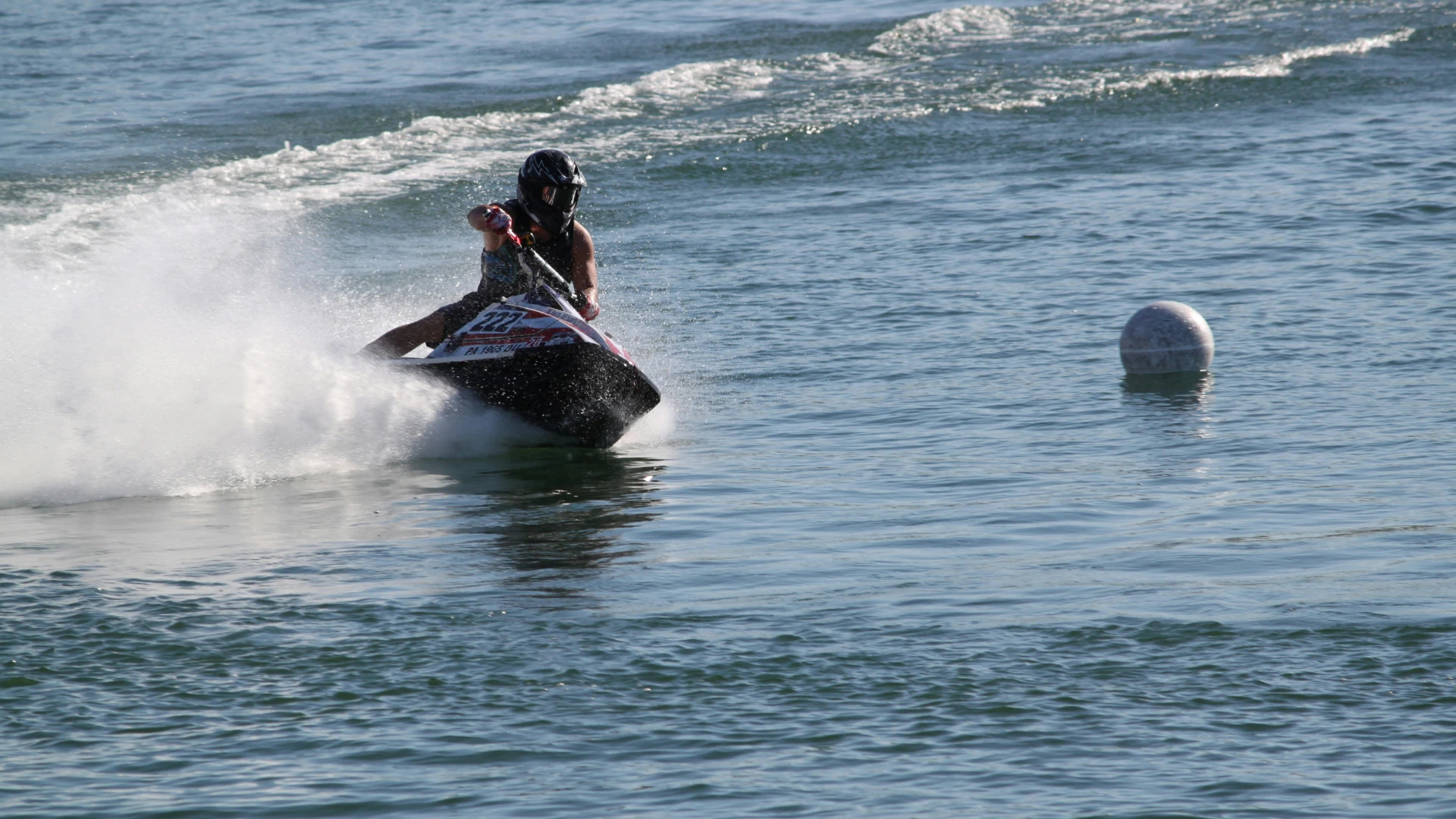
  • Event liability: Check whether an organized event provides supplemental liability coverage or whether your personal policy covers you as a participant.
  • Trailer coverage: Most Havasu riders trailer their watercraft long distances. A Sun Coast PWC policy includes trailer coverage — confirm the limit reflects your trailer's current value.
  • Multiple watercraft: Many Havasu regulars own two or more PWC. Multi-unit policies are available and typically carry a meaningful per-unit discount.
Inside view of a bass boat cockpit showing a steering wheel, control panel with gauges, and black seats with a 'Bass Pro Shops' sign visible outside.
Person fishing from the front of a boat named The Fish Tank on calm open water under a clear sky.
The Cost

How Much Does PWC Insurance Cost in Arizona?

Arizona PWC insurance typically runs $150–$400 per year for a standard policy covering a single watercraft with $300,000 in liability, physical damage, and medical payments. Actual premium depends on make/model/year, agreed vs. actual cash value, coverage limits chosen, and rider experience.

For Arizona riders, the math is straightforward: a $250/year policy on a craft you ride 30 days a year costs about $8.33 per riding day — reasonable protection on a $15,000+ asset operating at speed in crowded water.

The Requirements

Arizona Registration Requirements

All motorized watercraft operated on Arizona waters must be registered with the Arizona Game and Fish Department. PWC are classified as motorized watercraft regardless of engine size.
  • Registration valid for 3 years
  • Registration numbers on both sides of the bow
  • USCG-approved life jackets required for all passengers; children under 12 must wear one at all times while underway
  • Operators born after January 1, 1985 must complete an approved boating safety course
Inside view of a bass boat cockpit showing a steering wheel, control panel with gauges, and black seats with a 'Bass Pro Shops' sign visible outside.
Support

Frequently Asked Questions

We have answers for you on all things insurance.
Do I need insurance to launch at Lake Havasu?
Many Lake Havasu launch ramps and marinas require proof of liability insurance. Carry at least $300,000 — that's the standard expectation at most organized facilities.
Does my homeowners insurance cover my jet ski?
Standard homeowners policies typically exclude watercraft above a certain horsepower or value. PWC almost always fall outside homeowners coverage. A standalone PWC policy is the right solution.
What happens if I damage my PWC on a rocky bottom at Saguaro Lake?
Physical damage coverage covers collision with submerged objects and hard-bottom impacts — exactly this scenario.
Can I insure multiple PWC on one policy?
Yes. Multi-unit PWC policies are available and typically offer a per-unit discount.
Does Sun Coast cover PWC in Arizona year-round?
Yes. Arizona's warm climate means many riders use their PWC 8–12 months per year. Sun Coast policies provide year-round coverage with no seasonal restrictions.

Get a quote with Sun Coast and see how much you can save on Insurance

Comparing our carrier’s rates and coverage is easy. Start saving on your insurance today.
Are you an existing customer?

Call (800) 300-8838

Two people on a jet ski riding through a wave