Build your coverage
What PWC Insurance Can Cover in Hawaii
A standard personal watercraft policy breaks down into four core coverages:


New customer to Sun Coast? You are in the right place. Select a product below to get started.


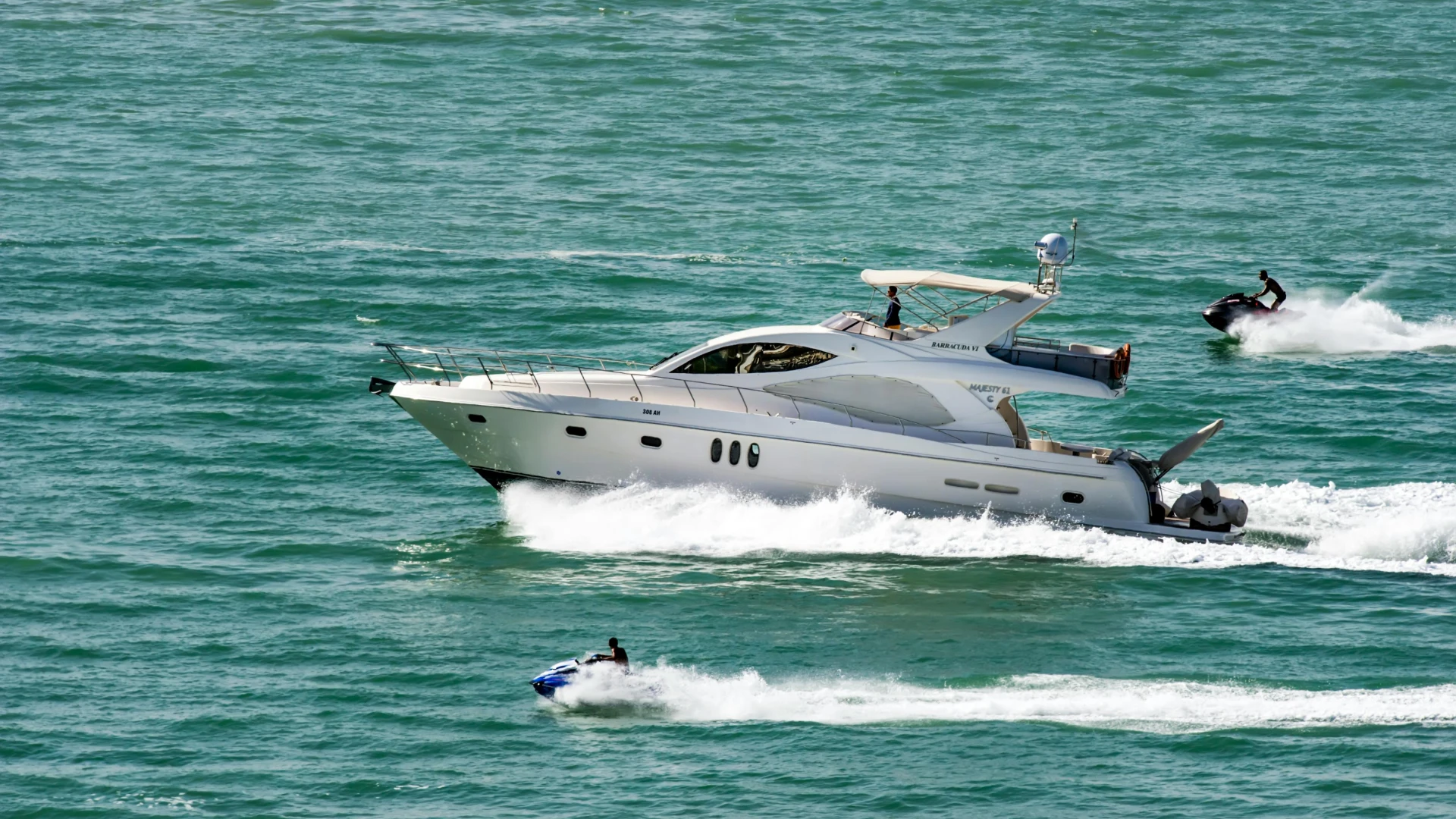
Hawaii does not have a state law mandating liability insurance for personal watercraft. However, the practical insurance requirements are stricter in Hawaii than in most mainland states:
Commercial operators are subject to Coast Guard and state licensing requirements that typically mandate liability coverage as a condition of operating a commercial tour. If you run a jet ski tour business in Maui or Oahu, you almost certainly have commercial insurance requirements.
Ocean launches are regulated. Hawaii's Division of Boating and Ocean Recreation (DOBOR) manages launch ramps, small boat harbors, and mooring areas. Marina and slip agreements at DOBOR-managed facilities typically require proof of liability insurance.
Recreational riders operating outside commercial contexts face no strict legal mandate — with one exception: under Hawaii Revised Statutes §200-13.5, if a vessel owner has previously grounded a vessel anywhere in Hawaii state waters, insurance becomes legally required even on a sub-26-foot craft like a PWC. For everyone else, no state law mandates coverage — but the exposure in Hawaii's high-traffic tourism waters makes it essential.


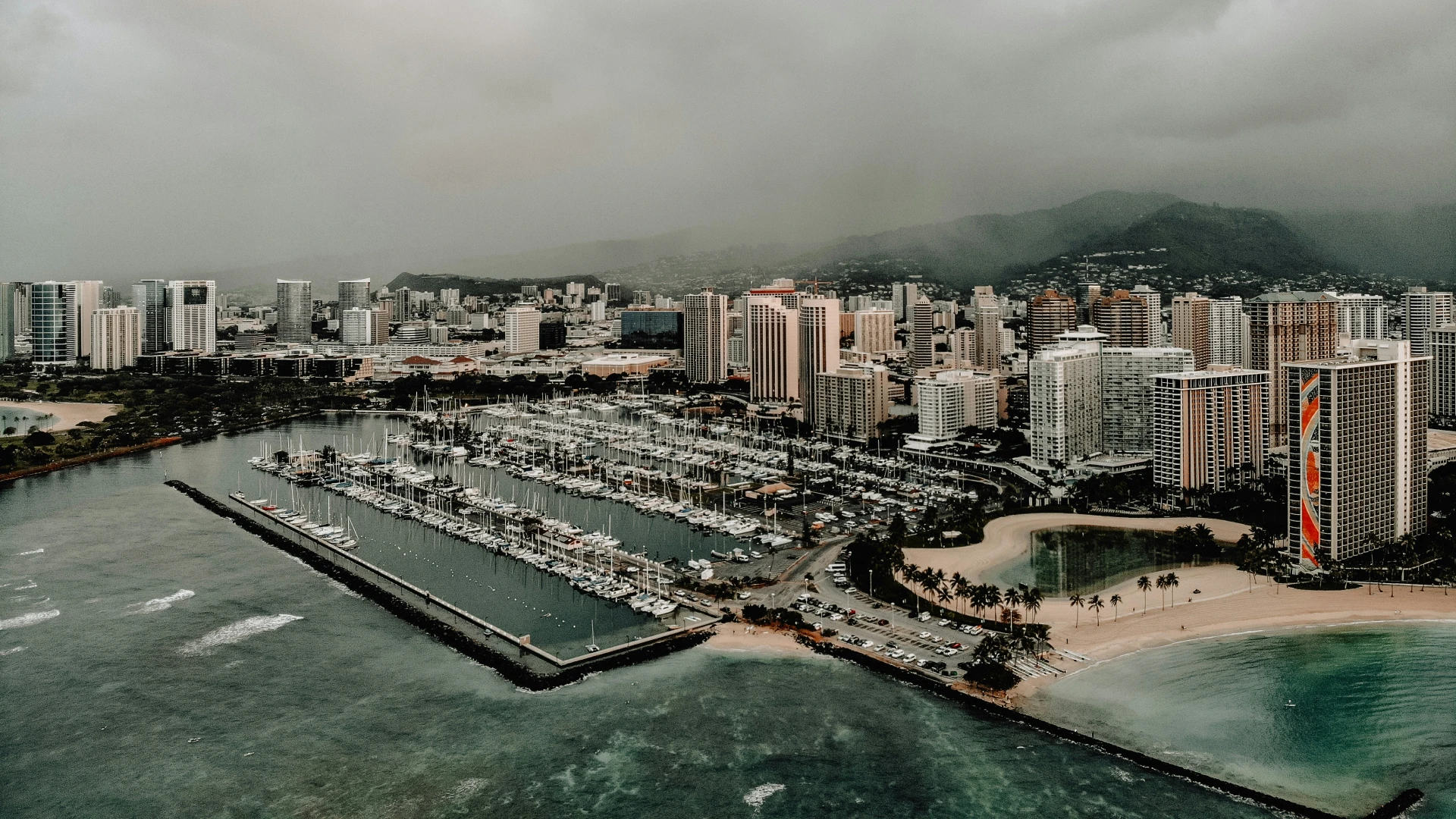
Maui is the center of Hawaii's recreational and commercial PWC market. The Kihei/Wailea coastline and Ma'alaea Harbor are the primary launch points. Maui's weather is reliably sunny, the water is warm year-round, and trade winds create consistently manageable conditions on the western (leeward) side. PWC tours operating out of Kihei are a major tourism industry.
Oahu has two primary PWC areas: Maunalua Bay on the southeastern coast (near Hawaii Kai) and the North Shore area. Maunalua Bay is calm and protected — the hub of Oahu's commercial PWC tour industry. The North Shore is for experienced riders only — winter swells of 20–40 feet make it one of the most dangerous riding environments on earth.
The Big Island has active recreational riding centered on the Kona coast on the western side. The eastern side (Hilo) is significantly rougher.
Kauai is the most regulated of the major islands for ocean recreation. Hanalei Bay and the southern Poipu area are the primary recreational zones.
Ocean vs. freshwater. Hawaii's PWC environment is entirely ocean-based, which changes the risk profile significantly. Saltwater corrosion, wave impact, swell exposure, and distance from shore create coverage considerations that differ from freshwater riding. Confirm with your Sun Coast agent that your policy covers ocean operation.
Coral reef contact. Hawaii's reef systems are beautiful and a physical hazard. Running aground on a reef — even at low speed — can cause significant hull damage. Physical damage coverage may apply to reef contact incidents — confirm specifics with your agent.
Commercial PWC tour operators. If you operate a jet ski rental or tour business in Hawaii, a personal PWC policy is insufficient. Commercial tour operations require commercial marine liability coverage and may need to meet additional DOBOR and Coast Guard requirements. Contact Sun Coast directly for commercial marine quotes.
Hurricane season. Hawaii's hurricane season runs June through November, peak risk in August and September. Comprehensive coverage covers named storm damage. Discuss marina storage storm coverage with your agent.
Year-round riding. Hawaii's tropical climate means PWC use year-round — there's no off season. Your annual premium will most likely cover 12 months of riding access.
Higher replacement costs. Shipping a replacement part or watercraft to Hawaii costs significantly more than on the mainland. An agreed value policy — which pays the stated value rather than depreciated actual cash value — is worth considering for Hawaii riders.
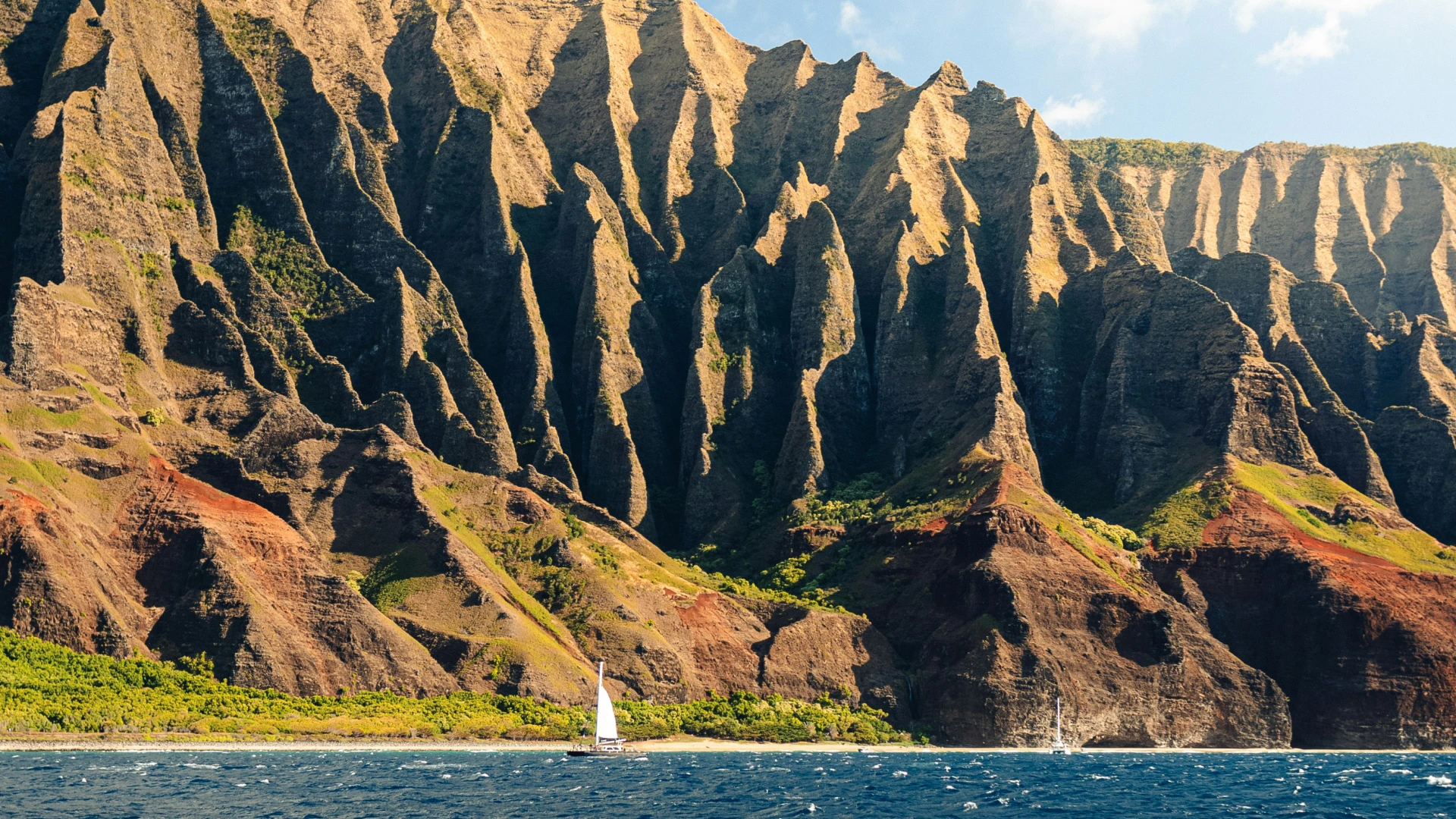
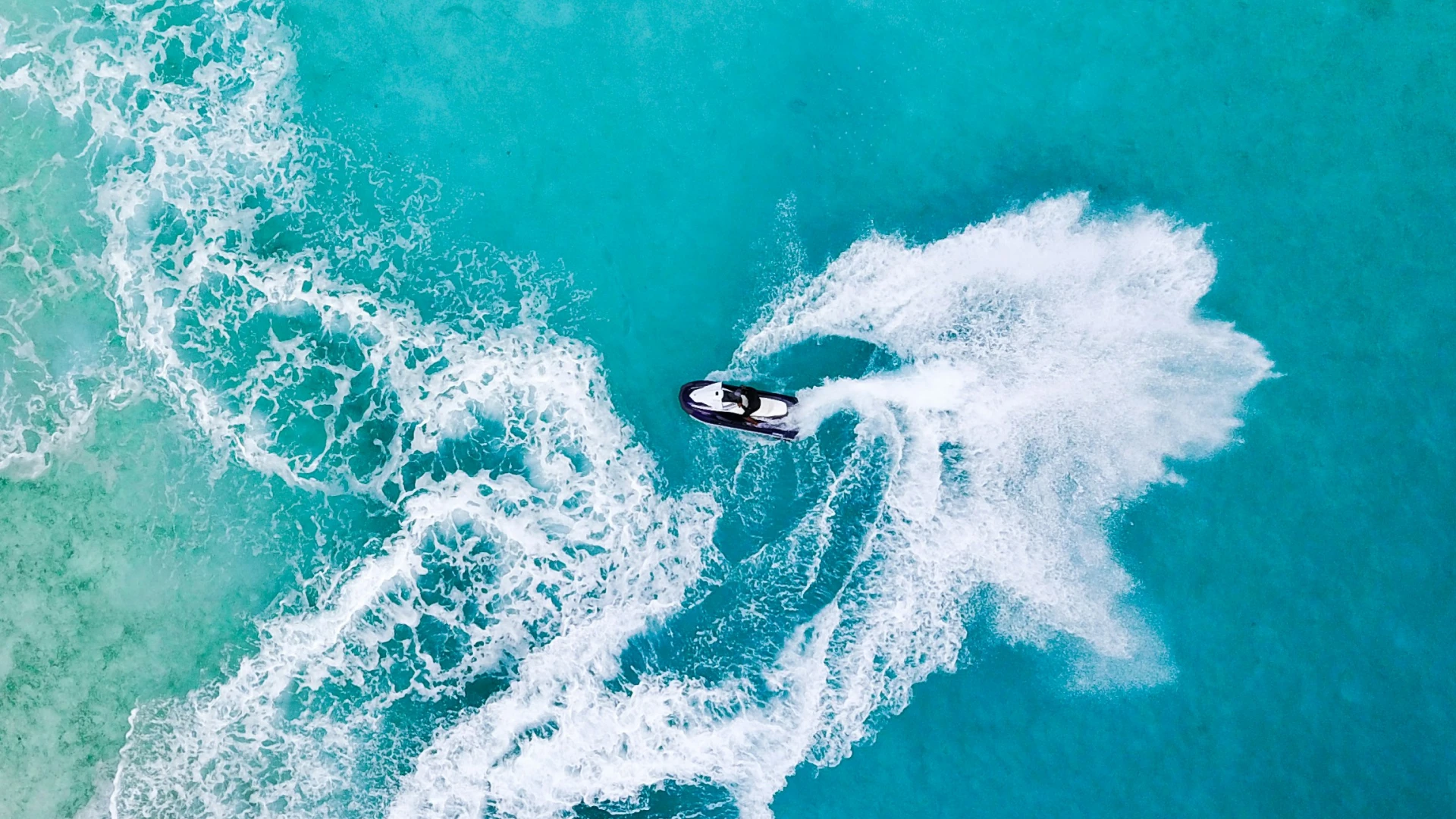
All motorized watercraft operated on Hawaii waters must be registered with the Hawaii Division of Motor Vehicles or county DMV.
PWC operating in Hawaii are also subject to DOBOR regulations, including distance restrictions from shore, swimming areas, and other vessels. Rules vary by island and location.
Hawaii PWC insurance typically runs $200–$500 per year for a standard personal policy with $300,000 in liability, physical damage, and medical payments. Hawaii rates are somewhat higher than mainland rates due to ocean operation risk, higher replacement and repair costs, and Hawaii's overall insurance market.
Commercial tour operators should expect significantly different pricing based on fleet size, number of riders, and coverage limits. Contact Sun Coast directly for commercial quotes.