Personal Watercraft in Nevada

Nevada Jet Ski Insurance. Lake Mead, Lake Tahoe, and Every Mile Between.

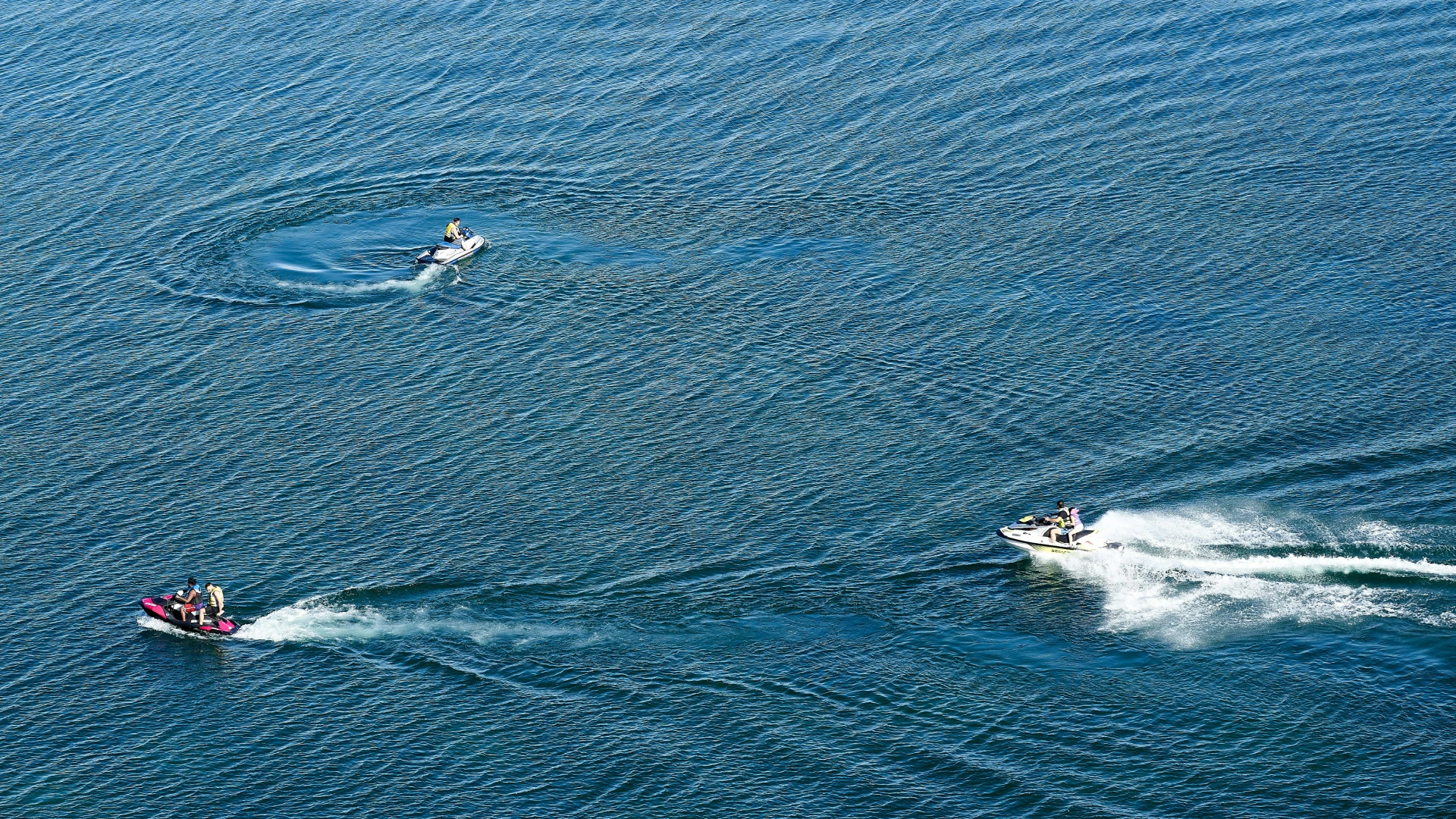
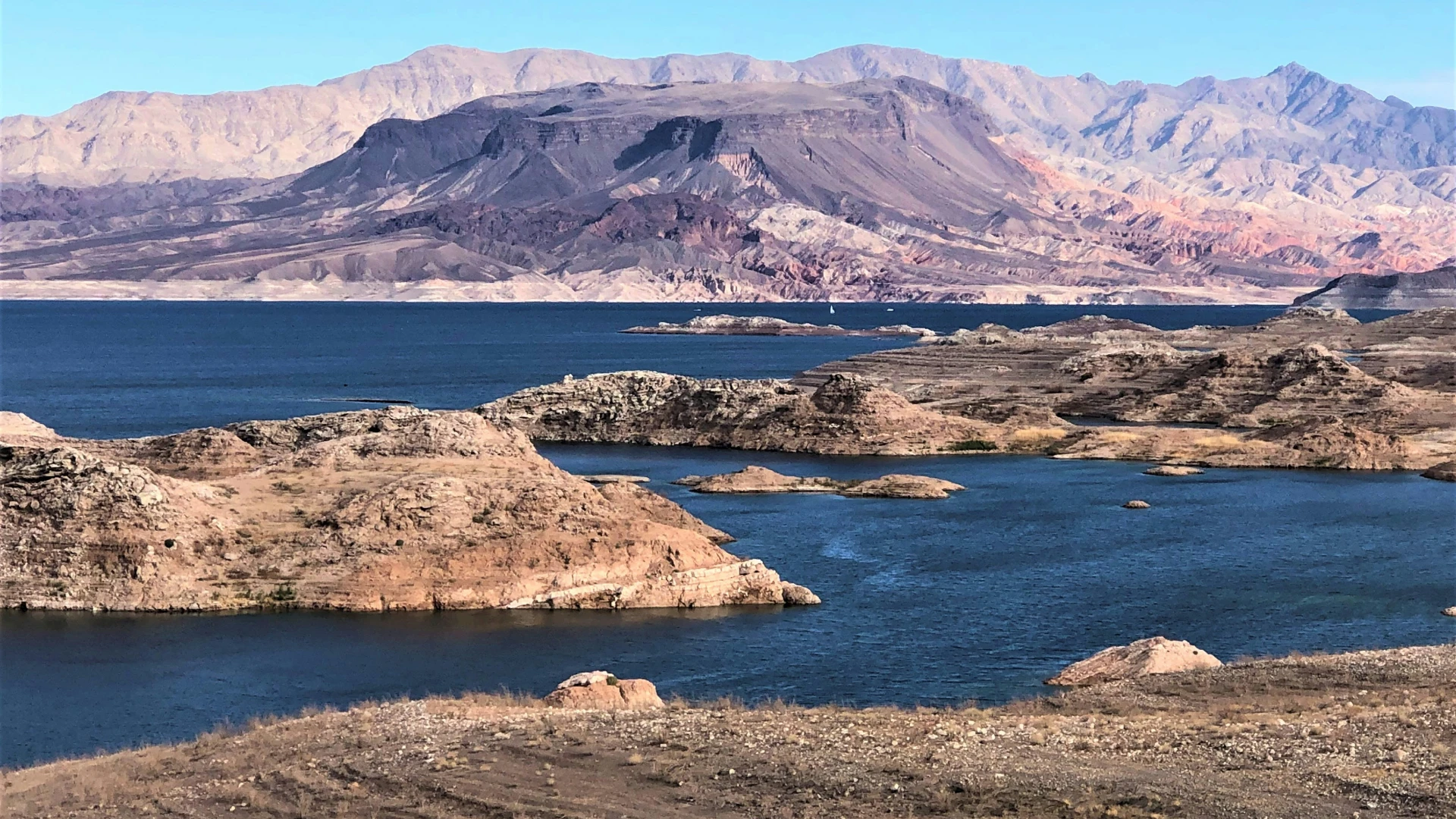
Nevada has more navigable water than most people expect. Lake Mead is the largest reservoir in the US by volume when full. Lake Tahoe sits at 6,200 feet elevation with some of the clearest water in the world. The Colorado River runs along Nevada's southern border. And smaller reservoirs — Lake Mohave, Lahontan, and Rye Patch — offer quieter alternatives when the major lakes are crowded.

If you ride in Nevada, personal watercraft insurance is the right call. Here's what coverage looks like, what Nevada requires, and what to know before you launch.
Person fishing from the front of a boat named The Fish Tank on calm open water under a clear sky.
Nevada PWC Insurance Requirements

Is PWC Insurance Required in Nevada?

Nevada does not mandate liability insurance for personal watercraft. Unlike auto insurance, there's no equivalent law for boats or PWC.

That said, the National Park Service, which administers Lake Mead National Recreation Area, and most commercial marinas require proof of liability coverage as a condition of access or slip rental. If you're renting a slip at Boulder Harbor, Callville Bay, or Echo Bay, expect to show proof of insurance.

More practically: Lake Mead sees millions of visitors per year. High-speed PWC in a crowded recreation area is an environment where accidents happen. The financial exposure from an uninsured collision — particularly one involving injuries — can be severe.

Build your coverage

What PWC Insurance Can Cover in Nevada

A standard personal watercraft policy breaks down into four core coverages:
Icon of a shield
Recommended

Liability coverage

It may pay for injuries or property damage you cause to others. Nevada's Lake Mead corridor is heavily trafficked in summer — houseboats, fishing boats, kayakers, and other PWC share the water.
Icon of boats with arrows around them
Recommended

Physical Damage Coverage

Nevada's major lakes each present distinct physical hazards: Lake Mead has fluctuating water levels that expose submerged rocks and ledges; Lake Tahoe's clarity can make depth perception difficult; the Colorado River has currents, sandbars, and debris during high-flow periods.
Icon of a shield with a USD symbol on it

Medical Payments Coverage

May pay your own medical costs after a PWC accident, regardless of fault. This is especially valuable at Lake Mead, where the nearest Level I trauma center (University Medical Center in Las Vegas) is 30–60 minutes away depending on your launch point.
Icon of a radar

Uninsured Watercraft Coverage

May cover your losses if you're hit by a rider with no insurance. With no mandatory insurance law in Nevada, this is a real exposure.
Person fishing from the front of a boat named The Fish Tank on calm open water under a clear sky.
Using a PWC in Nevada

Nevada's Major PWC Waters

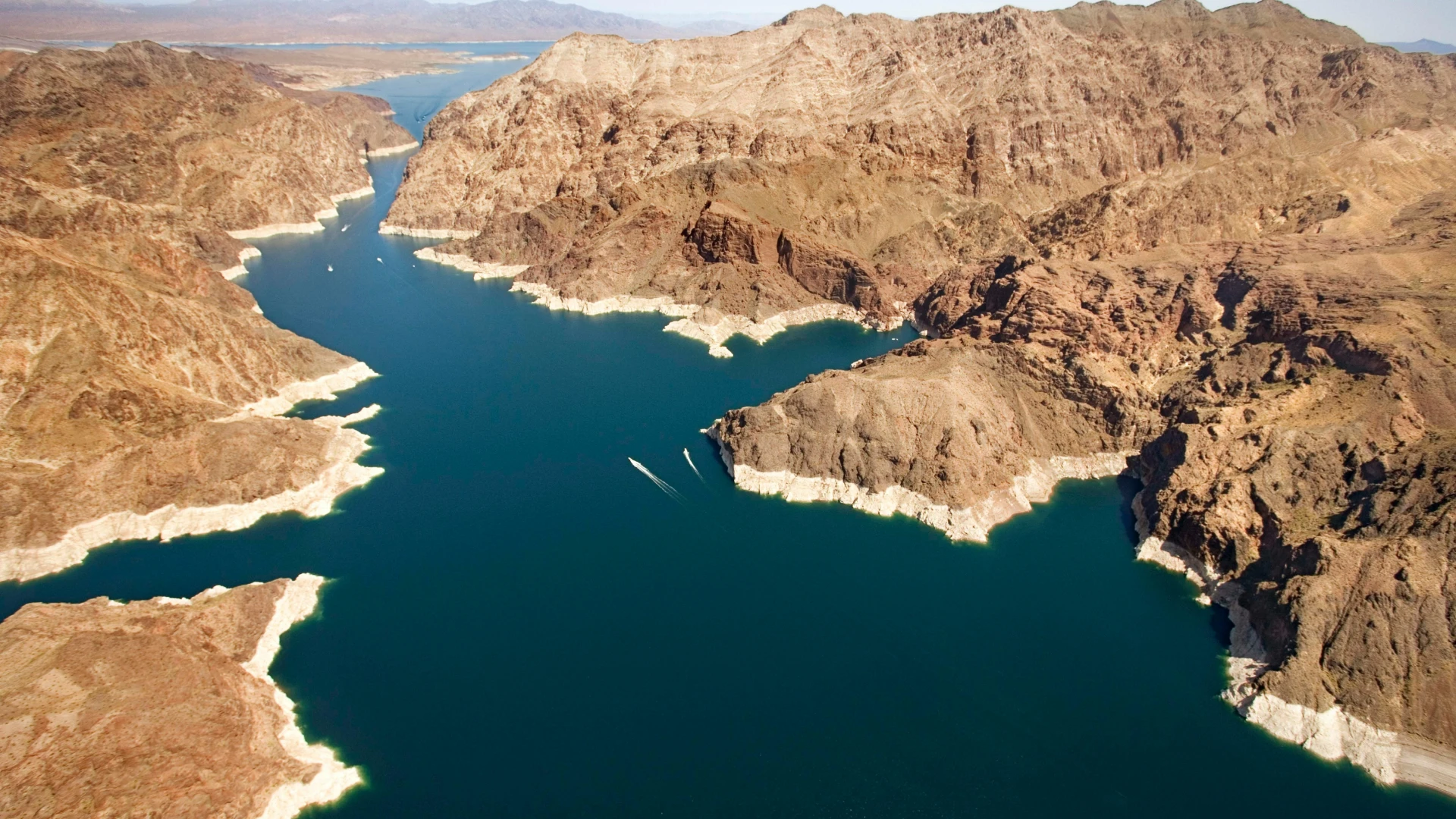
Lake Mead is the centerpiece of Nevada PWC riding. At full pool, Mead covers 247 square miles across Nevada and Arizona. The lake is warm enough to ride April through October, and Las Vegas proximity makes it a weekend destination for millions of Southern Nevada residents.

Lake Tahoe sits at 6,225 feet elevation, shared with California. Tahoe's clear water and mountain backdrop make it a premium riding experience, but the high elevation means weather can change rapidly — afternoon thunderstorms in summer are common. The lake is also extremely cold; water temperatures rarely exceed 68°F even in August. Hypothermia risk after a capsize is real.

Lake Mohave (directly south of Mead on the Colorado River) is less crowded than Mead and offers 67 miles of navigable water between Hoover Dam and Davis Dam. The canyon walls and calmer traffic make it a favorite for riders who want more space.

The Colorado River corridor from Laughlin south through Needles, CA provides popular year-round riding along the Nevada/California/Arizona tripoint. Laughlin's casino resorts sit directly on the river, and the area draws significant summer PWC traffic.

Things to Know

Nevada-Specific Risks

Water level fluctuation at Lake Mead. The reservoir has dropped dramatically over the past 20 years. Submerged infrastructure — old roads, boat ramps, foundations — surfaces as water levels fall. Navigation charts don't always reflect current conditions. Physical damage coverage for collision with submerged objects is essential.

Elevation at Lake Tahoe. High altitude affects both rider performance and engine performance. Dehydration happens faster at elevation. Know your equipment before pushing it hard.

The Nevada heat. Southern Nevada summer temperatures regularly exceed 110°F. Overheating-related breakdowns and fuel system issues are more common in extreme heat.

Cross-state riding. Lake Mead spans Nevada and Arizona. Lake Tahoe spans Nevada and California. Sun Coast policies may cover operation throughout the continental US.

Las Vegas weekend crowds. Labor Day, Memorial Day, and Fourth of July weekends at Lake Mead are some of the most congested recreational waterway days in the country. Higher traffic density means higher collision probability.
Inside view of a bass boat cockpit showing a steering wheel, control panel with gauges, and black seats with a 'Bass Pro Shops' sign visible outside.
Person fishing from the front of a boat named The Fish Tank on calm open water under a clear sky.
The Requirements

Nevada PWC Registration Requirements

All motorized watercraft operated on Nevada waters must be registered with the Nevada Department of Wildlife (NDOW).

  • Annual registration renewal
  • Registration numbers on both sides of the bow in block letters at least 3 inches high
  • USCG-approved life jackets required; riders under 13 must wear one at all times while underway
  • Nevada requires a boating safety certificate for operators born after January 1, 1983
  • No person under 14 may operate a PWC
The Cost

How Much Does PWC Insurance Cost in Nevada?

Nevada PWC insurance typically runs $150–$400 per year for a policy covering a single watercraft with $300,000 in liability, physical damage, and medical payments. The annual premium on a typical policy divided over a 25-riding-day Nevada season works out to roughly $6–$16 per riding day.
Inside view of a bass boat cockpit showing a steering wheel, control panel with gauges, and black seats with a 'Bass Pro Shops' sign visible outside.
Support

Frequently Asked Questions

We have answers for you on all things insurance.
Does Lake Mead require insurance?
The National Park Service doesn't legally require liability insurance for day users, but most marinas and slips within the Lake Mead National Recreation Area require proof of coverage. Carry at least $300,000 in liability.
I ride both Lake Mead (Nevada) and Lake Havasu (Arizona). Am I covered?
Sun Coast PWC policies can cover operation throughout the continental US, so riding across the Nevada/Arizona line on Lake Mead or down to Havasu can be covered under a single policy. Be sure to check your own specific policy.
Does my homeowners insurance cover my PWC at Lake Tahoe?
Typically no. Standard homeowners policies exclude high-powered watercraft. A standalone PWC policy is the right coverage.
Are there special considerations for Lake Tahoe's cold water?
Water temperature affects your safety after a fall or capsize, not your insurance coverage. Your policy's medical payments coverage will cover treatment for cold-water injuries regardless of water temperature.
Can I get coverage if my PWC is stored at a Laughlin casino marina?
Yes. Sun Coast can cover PWC stored at marinas, on trailers at home, or in covered storage. Discuss your storage situation with your agent to confirm the right coverage is in place.

Get a quote with Sun Coast and see how much you can save on Insurance

Comparing our carrier’s rates and coverage is easy. Start saving on your insurance today.
Are you an existing customer?

Call (800) 300-8838

Two people on a jet ski riding through a wave