Start a new quote
New customer to Sun Coast? You are in the right place. Select a product below to get started.
New customer to Sun Coast? You are in the right place. Select a product below to get started.

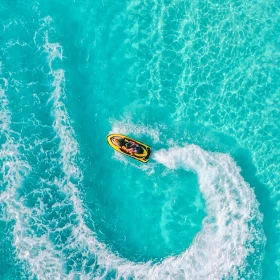










In California, PWC (personal watercraft) insurance is not legally required by the state. However, if you ride in certain public waterways, use specific marinas, or finance your watercraft, insurance may be mandatory. Even when it’s not required, having coverage is a smart way to protect against accidents, theft, or liability.
There is no minimum PWC insurance requirement set by California law. That said, if you finance your Jet Ski or WaveRunner, your lender will typically require you to carry physical damage coverage, which may include both collision and comprehensive protection. Marinas may also ask for liability coverage before granting dock or storage access.
PWC insurance premiums in California can vary based on your location, watercraft type, usage, and personal risk profile. Here’s what you can expect depending on carrier and risk factors:
California’s coastal exposure and high boating traffic can raise premiums in some regions, especially around busy marinas or popular lakes.
You can lower your premium by making a few smart choices:
Staying claim-free is another easy way to unlock long-term savings through loyalty and safe rider discounts.
If you’re leasing or financing a PWC, your lender will almost certainly require extended coverage, including:
Keep in mind that different lenders may have their own specific insurance requirements beyond standard coverage. Some may ask for proof of policy before releasing funds, and others might require higher liability limits or additional protections. If your PWC is brand new or tends to depreciate quickly, consider asking about GAP coverage—this optional add-on can help pay off the remaining balance on your loan if your watercraft is totaled and its actual value falls short.
Getting covered is simple and fast. You can buy a PWC insurance policy:
Be ready with your watercraft’s make, model, year, VIN/HIN, and usage info.
All motorized personal watercraft in California must be registered with the California DMV. You’ll receive a Certificate of Number and registration decals. California vessel registration (including PWCs) is valid for two years, and expires on December 31 of every odd-numbered year for all vessels regardless of when you first registered. Miss the deadline and you can face a 50% late penalty. You’ll need proof of ownership (title or bill of sale), payment of fees, and a completed application.
Note: You must carry the registration and display the decals while operating the PWC.
As of January 1, 2025, California law requires all motorized vessel operators, regardless of age, to carry a California Boater Card. This is a phased-in requirement that fully took effect last year, and it applies to PWCs just as it does to boats. The card requires completing a state-approved boater safety course and passing an exam. Operators must carry it on board and present it to enforcement officers on request.
Premiums and availability can change based on region:
Location also affects whether marinas require liability insurance or proof of storage coverage.
This guide is for informational purposes only and does not constitute legal or insurance advice.