Start a new quote
New customer to Sun Coast? You are in the right place. Select a product below to get started.
New customer to Sun Coast? You are in the right place. Select a product below to get started.

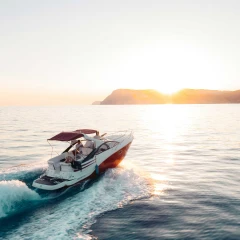










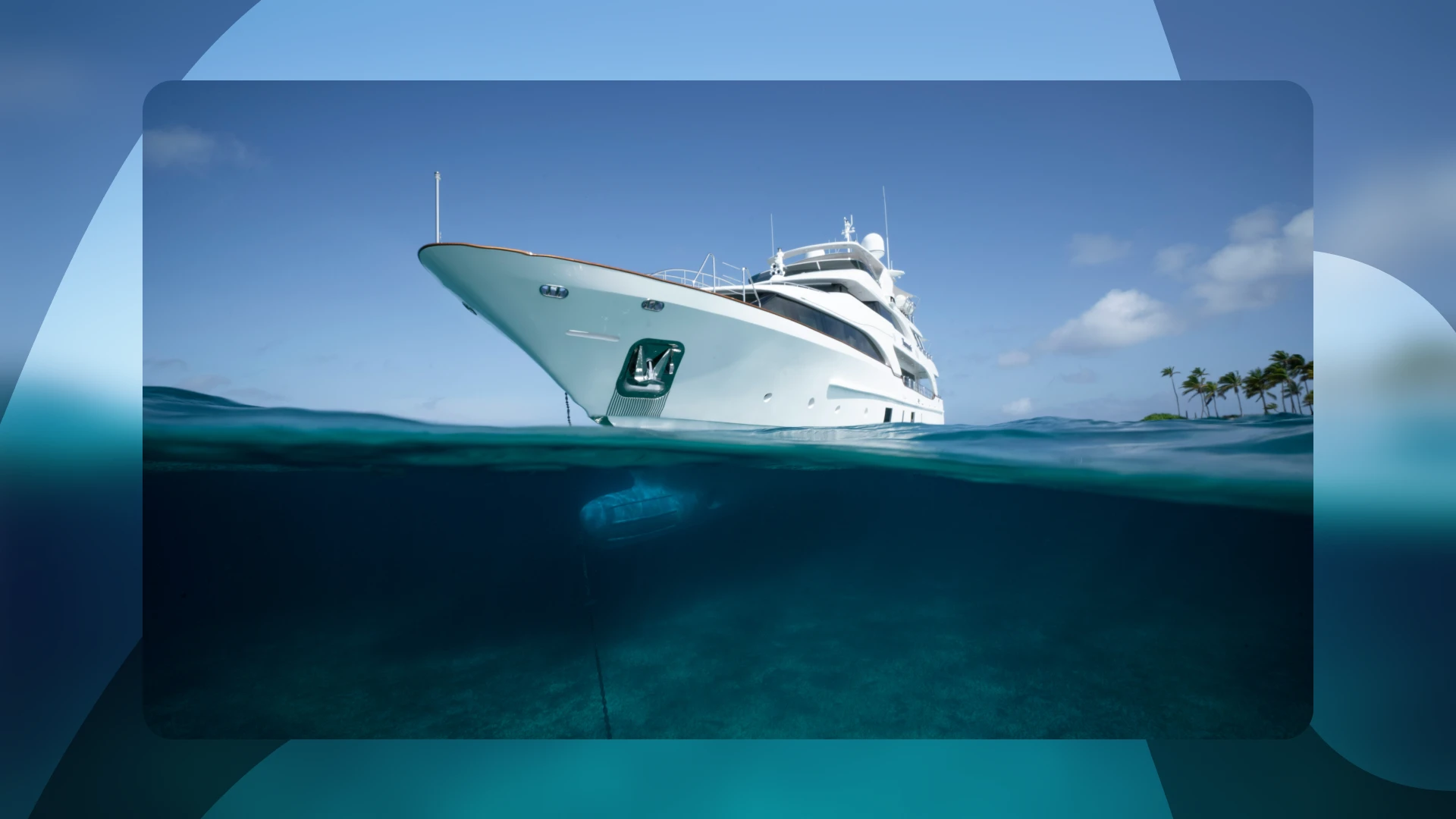

Diesel engines are a popular choice for many boats, especially cruisers, trawlers, and larger offshore vessels. Known for their durability, efficiency, and torque, diesel engines can be a long-term investment — but choosing the right one requires more than just picking a horsepower number.
Understanding how diesel boat engines differ, and what factors matter most for your boating style, can help you make a more informed decision.
Disclaimer: This article is for general informational purposes only and does not constitute mechanical or boat insurance advice. Engine selection, performance, and coverage considerations vary by vessel type, manufacturer, and insurance policy. Always consult qualified marine professionals and your insurance provider before making engine-related decisions.
Diesel engines are often favored for their reliability and fuel efficiency. Compared to gasoline engines, diesel engines typically deliver better fuel economy at cruising speeds and are built to handle long operating hours.
Common reasons boat owners choose diesel include:
That said, diesel engines are not ideal for every boat or boater.
Choosing the right diesel engine starts with matching it to your vessel.
Boat Size and Weight
Heavier boats often benefit from diesel power due to the engine’s torque characteristics. Hull design, displacement, and intended load all influence engine sizing.
Horsepower Requirements
More horsepower isn’t always better. An engine that’s too large may operate inefficiently, while an underpowered engine may struggle and wear faster. Engines should be sized to operate comfortably within their recommended RPM range.
Single vs. Twin Engines
Some boats use a single diesel engine, while others rely on twin setups. Twin engines can provide redundancy and improved maneuverability, but they also increase complexity, cost, and maintenance.
How you plan to use your boat plays a major role in engine selection.
Long-Distance Cruising
Diesel engines are well-suited for extended cruising due to fuel efficiency and endurance.
Offshore or Commercial-Style Use
Boats that operate frequently or under heavy load (including regular offshore fishing boats) may benefit from diesel reliability and longevity.
Occasional or Short Trips
For light or infrequent use (such as a family pontoon boat), the higher upfront cost of diesel may not always be justified.
Understanding your real-world usage helps narrow down the right engine configuration.
Diesel engines rely on high-pressure fuel systems and clean fuel delivery. Fuel quality, filtration, and tank condition all play a role in performance and reliability.
Key considerations include:
Efficient fuel management can help maximize the advantages of diesel power.
Diesel engines are known for longevity, but they still require regular maintenance.
Typical maintenance includes:
Equally important is access to qualified diesel service in your boating area. Availability of parts and technicians should factor into your decision.
Modern diesel engines are quieter and smoother than older models, but they may still produce more vibration than gasoline engines at idle. Sound insulation, engine mounts, and proper installation all influence onboard comfort.
Diesel engines often have higher upfront costs than gasoline engines. However, fuel efficiency and long service life may offset initial expenses over time, depending on usage.
Budgeting should account for:
From an insurance standpoint, engine type can factor into vessel valuation, underwriting, and maintenance expectations. Coverage terms vary widely, and insurers may consider engine condition, age, and maintenance history.
Reviewing your marine insurance policy can help clarify how propulsion systems are addressed.
Choosing the right diesel boat engine is about balance — matching power, efficiency, and reliability to how you actually use your boat. Taking time to evaluate your vessel, cruising goals, and maintenance resources can help ensure your diesel engine supports years of dependable operation on the water.