Start a new quote
New customer to Sun Coast? You are in the right place. Select a product below to get started.
New customer to Sun Coast? You are in the right place. Select a product below to get started.

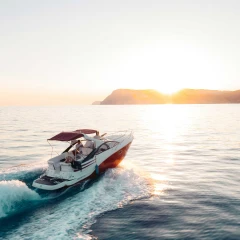
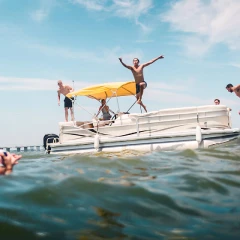
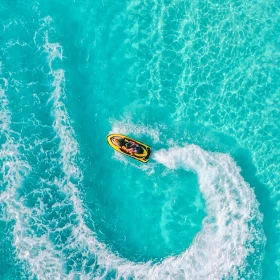









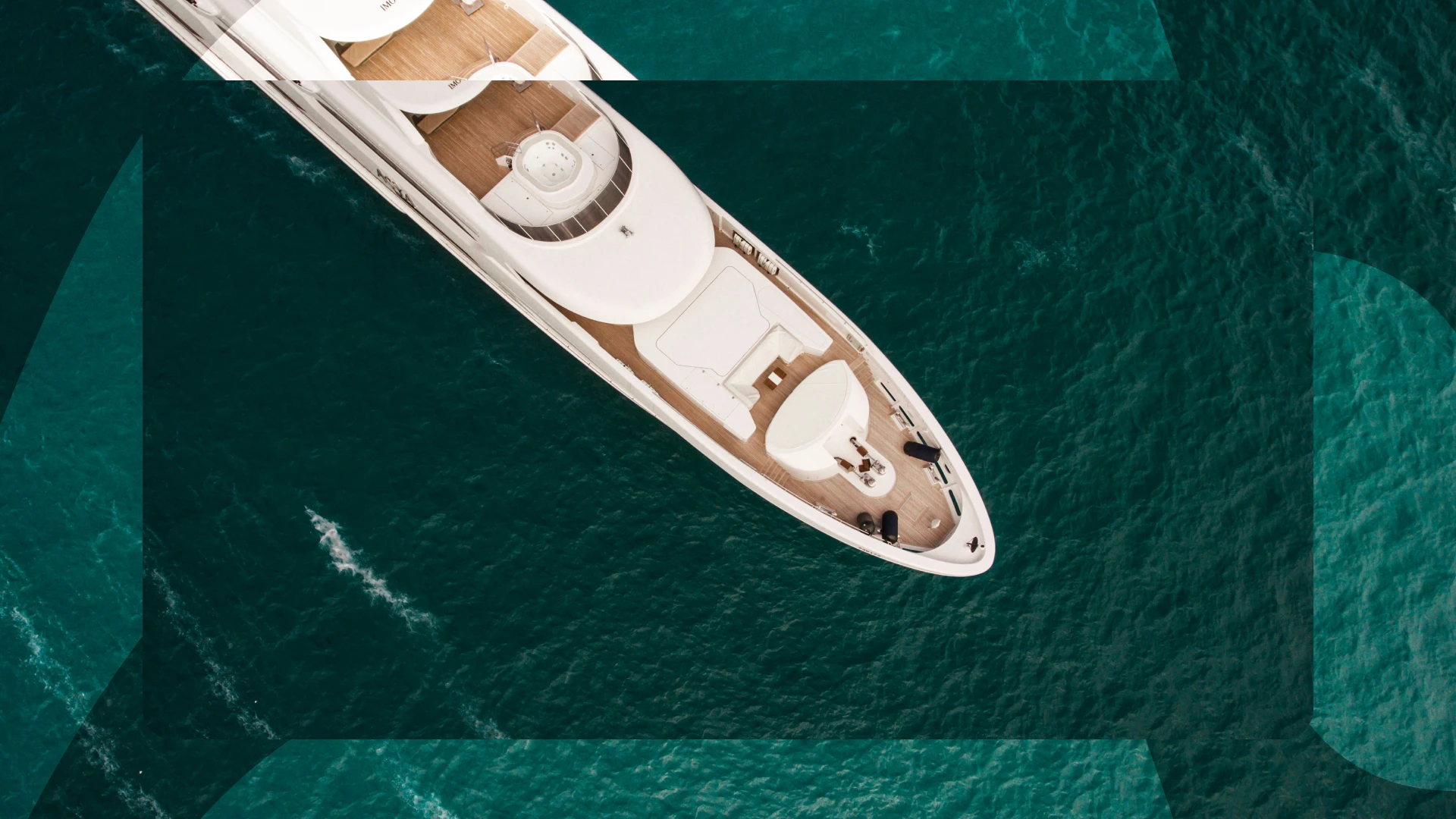
A yacht owner is rafted up at a sandbar with friends. Their teenage daughter takes the dinghy ashore for ice. A guest borrows the jet ski for a run around the bay. Two paddleboards are tied to the swim platform. A wakeboard is out behind the tender. At any given moment, there are five separate watercraft in use, all connected to the same yacht — and an owner who has never thought about whether all of them are actually covered. This post walks through how tenders and toys are insured on a yacht policy, when they are auto-included versus when they need to be scheduled, how liability follows them when they are used independently of the mothership, and what most owners get wrong about the coverage.
Disclaimer: This article is for general educational purposes only and is not insurance advice. Coverage for tenders, dinghies, jet skis, paddleboards, and other yacht-related watercraft varies by carrier, policy, vessel, operator, and situation. Always review your actual policy and speak with a licensed insurance professional to understand what is or is not covered.
Tender and toy coverage is the part of a yacht insurance policy that extends coverage to smaller watercraft and water-sports equipment that belong to the yacht and are typically carried aboard or used in connection with it. The category usually includes:
What "tender and toy" actually means depends on the policy. Some carriers bundle all the smaller watercraft together under a single category. Others split tenders from toys and price each separately. Almost all carriers treat PWC differently from the rest because the liability exposure on a jet ski is in a different class from the liability exposure on a paddleboard.
The most important thing to understand about tender and toy coverage is the difference between auto-included and scheduled coverage.
Auto-included means the policy automatically covers tenders and toys up to a stated value cap — usually $5,000 to $15,000 per item, with overall limits in the $25,000 to $50,000 range — without requiring each item to be listed by serial number or value. This works for the typical recreational owner with a $3,000 dinghy, a $1,500 paddleboard, and a $400 wakeboard. The aggregate is within the cap, no items need to be individually documented, and the policy responds to a covered loss against any of them.
Scheduled means specific items are listed by description, serial number, and agreed value. Scheduling becomes necessary when:
Most policies allow both — a base auto-include for the small stuff, plus scheduled items for the high-value or required-to-be-scheduled equipment. The right structure depends on what you actually carry.
Tenders and toys live in two operating modes: aboard the yacht, and used independently. Both modes need coverage, and they sometimes work differently.
Aboard the yacht. Most policies cover tenders and toys for physical damage and theft while they are stowed on the yacht or being launched and recovered. This can be the simpler case — the items may be extensions of the yacht itself, and the policy may respond to covered perils the same way it responds to the yacht.
Used independently of the yacht. This is where coverage gets more nuanced. When the dinghy is taken to shore with two guests aboard, or the jet ski is run on its own around the anchorage, the coverage that follows depends on the policy form.
The right question to ask the broker is not "does the policy cover the dinghy?" — that gets you a vague yes. The right question is: "If my guest takes the dinghy ashore and runs into another boat, who pays?" That question forces the policy specifics to surface.
The biggest exposure on tenders and toys is not the cost of replacing the equipment. It is the liability exposure when something happens.
A guest on the jet ski hits a swimmer at a beach. A daughter on a wakeboard tangles with a tow rope and is dragged into a propeller. A friend takes the dinghy to shore at night, hits a dock, and a fixed pier owner sues for repair costs. A paddleboarder collides with a small boat and the boat capsizes. Every one of these is a real liability claim, and the limit on the yacht policy's liability section may or may not extend to the smaller watercraft, depending on the form.
PWC specifically are a high-liability category. The combination of high speed, inexperienced operators, and public anchorages creates an injury and property-damage profile that carriers rate carefully. If you carry PWC aboard, the right answer is almost always to schedule them and confirm the liability limit on the PWC matches the limit you carry on the yacht. Sun Coast also writes dedicated personal watercraft policies where the tender-and-toy approach is not the right fit — especially for owners with jet skis they use independently of the yacht for extended periods.
A few common exclusions:
A practical decision framework:
The general principle: auto-include the everyday stuff up to the cap, schedule the high-value items, and always schedule PWC.
For yacht coverage generally, see yacht insurance. For dedicated coverage on jet skis used independently of a yacht, see our personal watercraft insurance.