Start a new quote
New customer to Sun Coast? You are in the right place. Select a product below to get started.
New customer to Sun Coast? You are in the right place. Select a product below to get started.









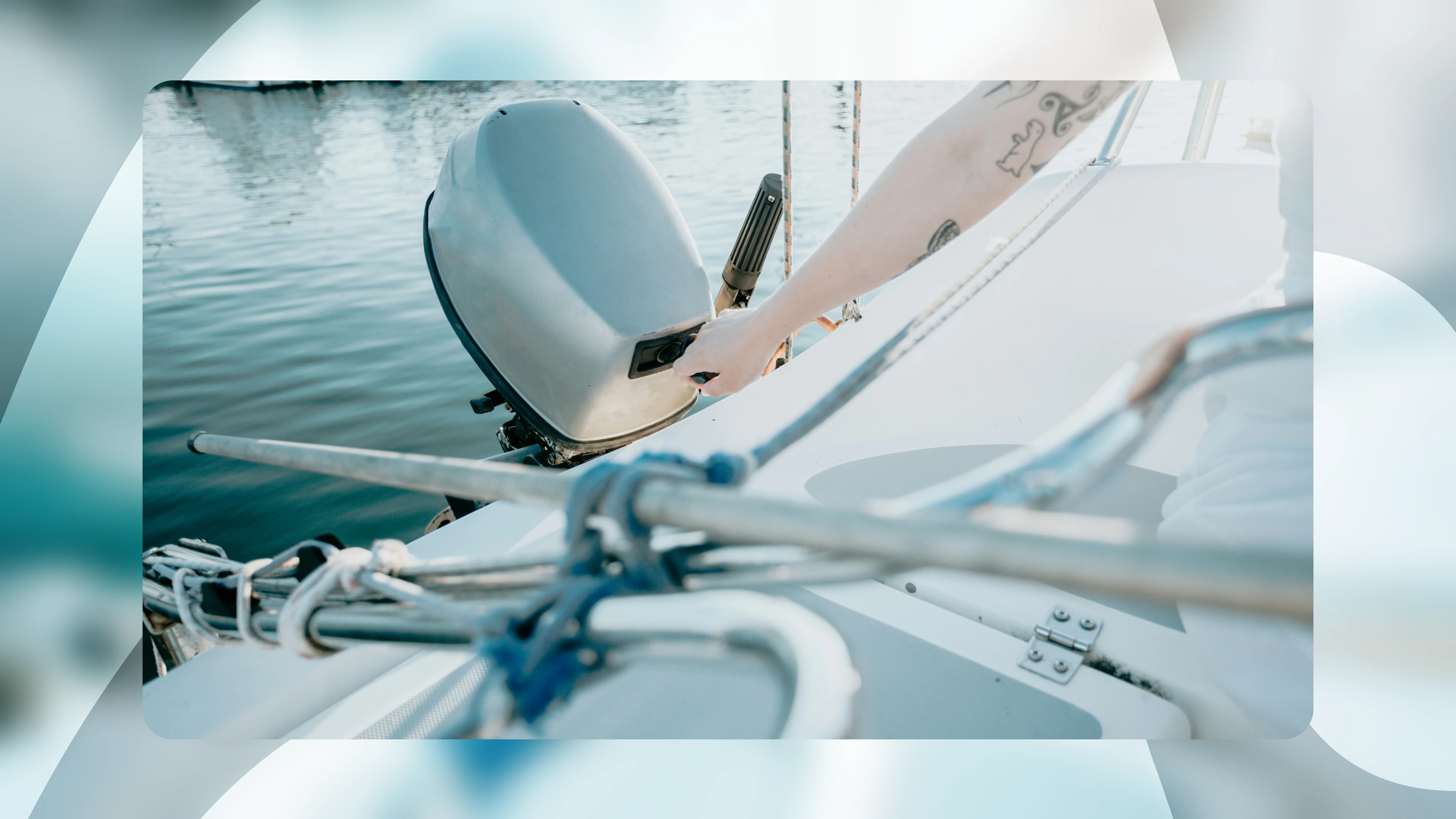

Few things are more frustrating than launching your boat, turning the key, and realizing your outboard motor won’t start. While some problems require professional service, many common starting issues have simple explanations and can be resolved with basic checks.
Understanding a few outboard troubleshooting fundamentals can help you identify potential issues quickly and decide whether it’s something you can address yourself or if it’s time to call for help.
Before assuming a major mechanical issue, it’s worth checking the most common and easily overlooked causes.
Engine Stop Switch (Kill Switch)
One of the most frequent reasons an outboard won’t start is a disconnected or improperly seated kill switch lanyard. If the lanyard isn’t attached correctly, the engine won’t crank or fire.
Gear Position
Most outboards won’t start unless the engine is in neutral. Even being slightly out of position can prevent starting.
Throttle Position
Ensure the throttle is in the correct starting position and not advanced too far, especially on carbureted engines.
Electrical issues are another common culprit.
Battery Charge
A weak or dead battery may not provide enough power to start the engine. Listen for clicking sounds or slow cranking, which can indicate low voltage.
Battery Connections
Loose or corroded terminals can interrupt power flow. Inspect connections to ensure they’re clean, tight, and free of corrosion.
Fuses and Breakers
Some outboards have inline fuses or circuit breakers that may trip or blow. Checking these can help rule out simple electrical faults.
Fuel-related problems are among the most common causes of starting issues.
Fuel Level and Quality
Confirm there is enough fuel in the tank and that it’s fresh. Old or contaminated fuel can prevent proper combustion.
Primer Bulb
If your outboard uses a primer bulb, squeeze it until it feels firm. A collapsed or soft bulb may indicate a fuel delivery issue.
Fuel Lines and Connections
Look for cracked hoses, loose fittings, or air leaks that could prevent fuel from reaching the engine.
Outboard engines need air, fuel, and spark to start.
Air Intake
Ensure the air intake isn’t blocked by debris or covers.
Spark Plug Issues
Worn, fouled, or damaged spark plugs can prevent ignition. While detailed spark plug inspection may require tools, visible damage or heavy fouling can be a clue.
Pay attention to how the engine behaves when you try to start it.
These clues can help narrow down the issue quickly.
Cold weather, high humidity, or long periods of inactivity can affect starting performance. Engines that sit unused may require extra priming or charging before starting reliably.
If basic checks don’t resolve the issue, continuing to crank the engine repeatedly can sometimes make things worse. At that point, it’s usually best to seek professional service rather than risk additional damage.
From an insurance perspective, mechanical failures and maintenance-related issues are typically treated differently than sudden or accidental damage. Coverage varies by policy, so it’s important to understand how breakdowns and towing situations are addressed in your marine insurance policy.
Many outboard starting problems come down to simple issues like battery connections, fuel delivery, or safety switches. Knowing what to check — and in what order — can save time, reduce frustration, and help you make informed decisions about next steps when your outboard won’t start.
Disclaimer: This article is for general informational purposes only and does not constitute mechanical or insurance advice. Outboard engines vary by manufacturer and model. Always consult your owner’s manual and qualified marine professionals for troubleshooting and repair guidance specific to your engine.