Start a new quote
New customer to Sun Coast? You are in the right place. Select a product below to get started.
New customer to Sun Coast? You are in the right place. Select a product below to get started.









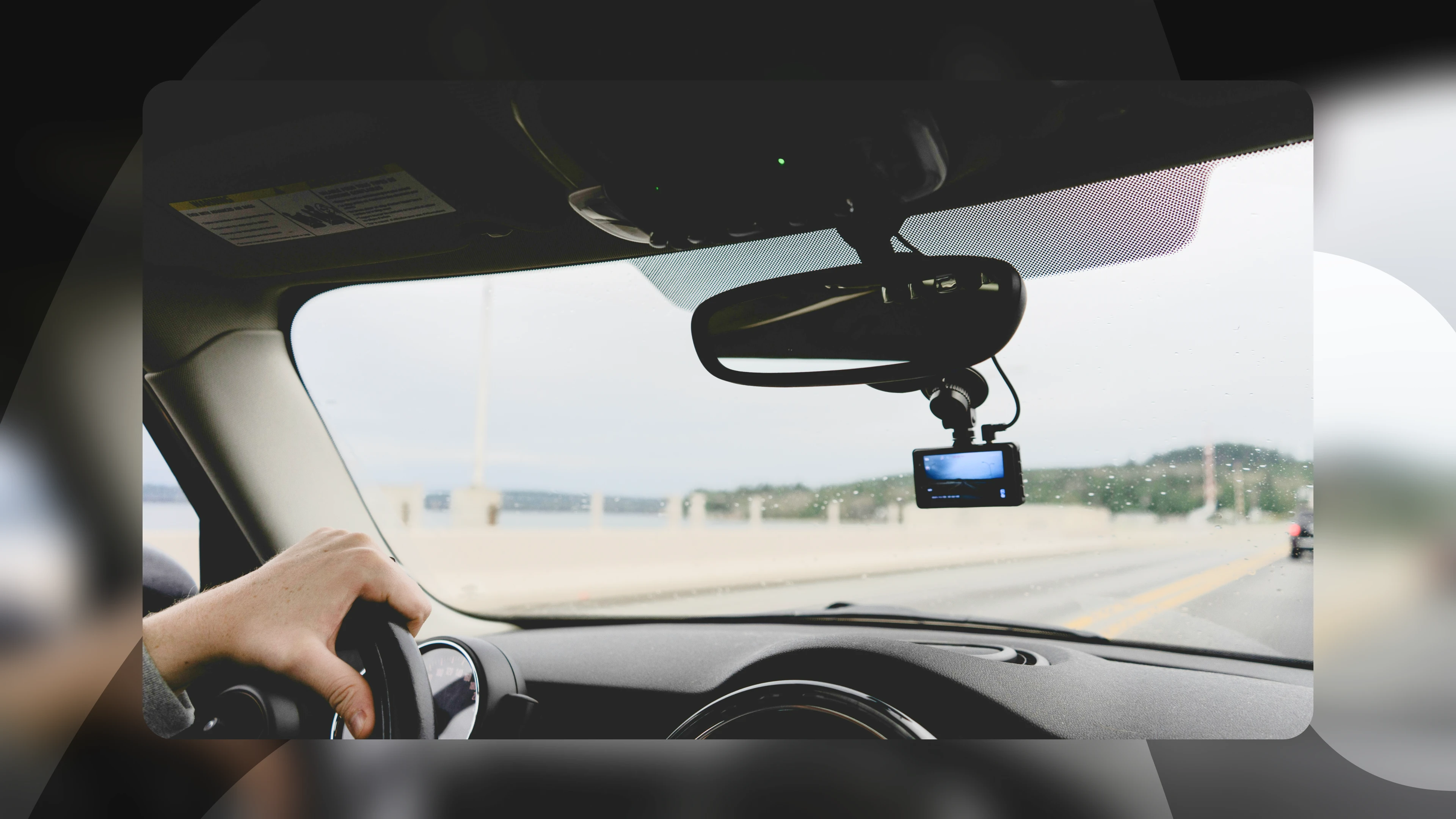

A dashcam — short for dashboard camera — records what happens on the road from your vehicle’s perspective. Once a tool mostly used by law enforcement and professional drivers, dashcams are now common among everyday motorists.
But can they actually help with your car insurance? The short answer: Yes — in many cases, a dashcam can make a big difference in claims and disputes.
If you’re involved in a crash, dashcam footage can help show what happened from your vehicle’s perspective — including the sequence of events, traffic signals, road conditions, and the behavior of other drivers.
Example: If someone runs a red light and hits you, the dashcam video could help demonstrate they were at fault, speeding up your claim process.
Unfortunately, staged accidents and fraudulent claims do happen. A dashcam can protect you by documenting the truth.
Example: If another driver claims you sideswiped them, footage can prove you weren’t even near their lane.
When supported by clear documentation, dashcam footage may help an insurer review a claim more efficiently by reducing uncertainty about what occurred. In some situations, however, additional review may still be required depending on the circumstances of the claim.
If your car is hit while parked or a driver flees the scene, certain dashcams with parking or motion-activated recording features may capture footage while the vehicle is unattended. These features are typically available on specific models and setups, such as cameras designed for parked-vehicle monitoring. For more details on these capabilities, see the “Choosing the Right Dashcam” section below.
Knowing you’re recording may make you more aware of your speed, following distance, and lane changes — lowering your risk of accidents over time.
When selecting a dashcam, consider: