Ready to Hit the Water?
Get a quote for your vessel.
Get a Quote
Ready to Hit the Water?
Get a quote for your vessel.
Get a Quote
Ready to Hit the Water?
Get a quote for your vessel.
Get a Quote
Boat Insurance

Yacht Insurance vs. Boat Insurance: What’s the Difference?

Learn the key differences in coverage, usage, and risk to choose the right policy.

If you own a vessel, you’ve probably seen both boat insurance and yacht insurance mentioned—but the difference between the two isn’t always obvious.

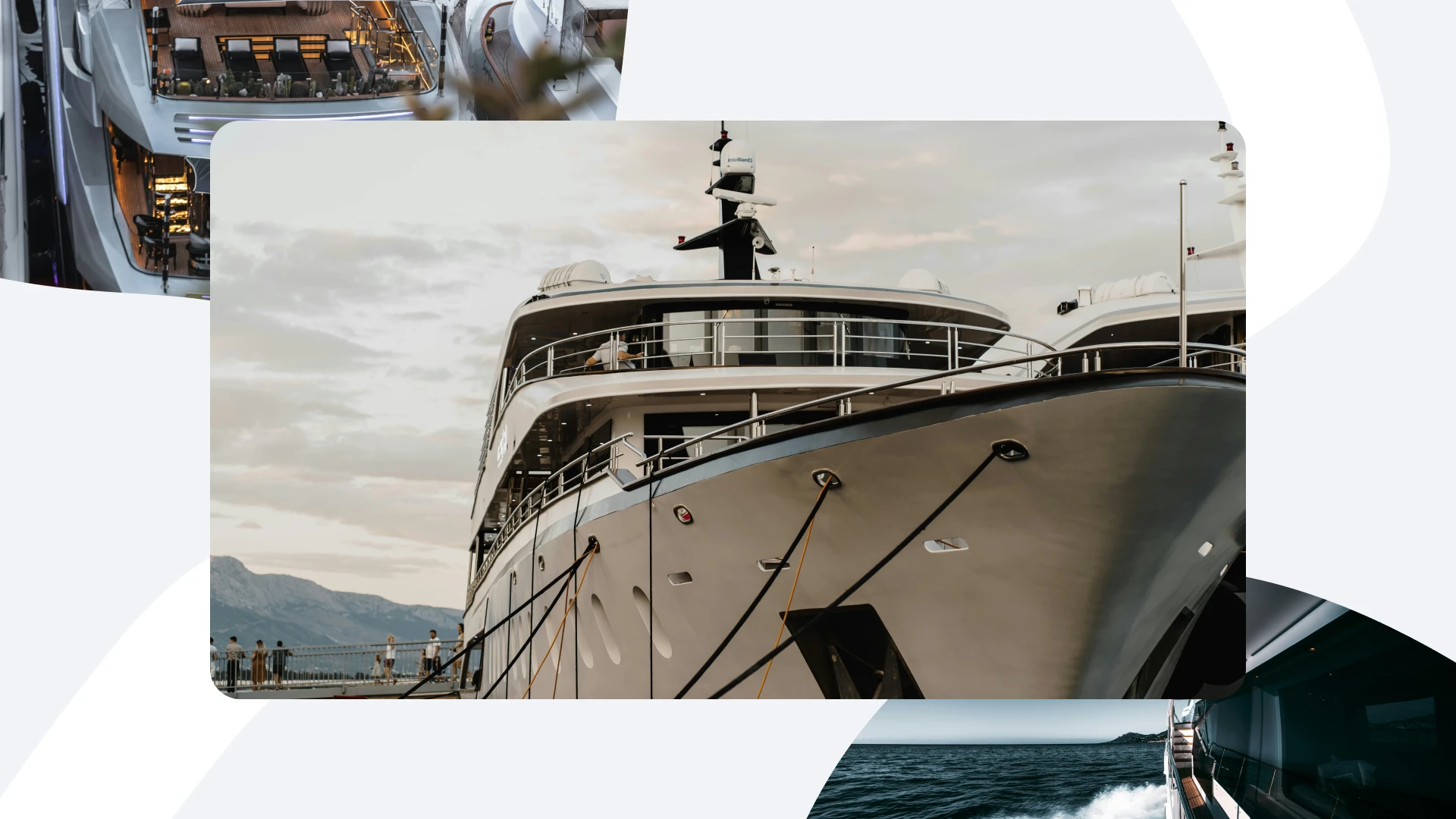
While both are designed to protect watercraft, yacht insurance is typically built for larger, higher-value vessels with more complex risks, while boat insurance is generally intended for smaller recreational boats.

Understanding the difference can help ensure you’re properly covered—and not unknowingly underinsured.

Disclaimer: Boat and yacht insurance coverage varies by company and policy. The information below is general and may not reflect the exact features offered by your insurer. Always review your policy documents or speak with a licensed agent to understand your specific coverage.

What’s the Main Difference Between Yacht and Boat Insurance?

The biggest distinction comes down to vessel size, value, usage, and risk exposure.

While definitions vary by insurer, yacht insurance is commonly used for vessels that are:

  • Larger in length (often 26–40+ feet, depending on carrier)
  • Higher in overall value
  • Used for longer trips or extended cruising
  • Crewed, chartered, or overnight-capable

Boat insurance typically applies to smaller, recreational vessels used for day trips or local outings.

Boat Insurance: Built for Recreational Use

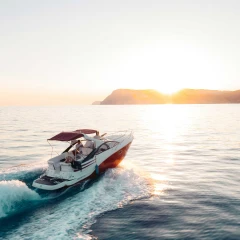
Boat insurance is generally designed for personal, non-commercial use and may be well suited for:

  • Fishing boats
  • Bowriders
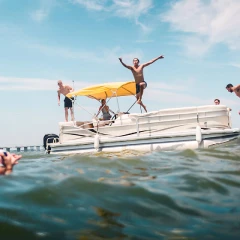
  • Pontoon boats
  • Center consoles
  • Personal watercraft (PWCs)

Coverage can include, depending on the policy:

  • Physical damage to the boat and motor
  • Liability for injuries or property damage
  • Medical payments
  • Towing and on-water assistance

Boat policies are often simpler, with fewer navigation limits and lower coverage thresholds.

Yacht Insurance: Designed for Larger Vessels and Higher Risk

Yacht insurance is typically structured for vessels with greater exposure due to size, value, and usage.

Depending on the policy, yacht insurance may include:

  • Higher liability limits
  • Broader navigation territories
  • Crew or captain requirements
  • Passenger liability considerations
  • Coverage for tenders, dinghies, and onboard equipment

Yacht policies often involve more underwriting detail, including vessel surveys, captain experience, and intended cruising areas.

Key Differences at a Glance

Feature
Boat Insurance
Yacht Insurance
Typical Vessel Size
Smaller recreational boats
Larger, higher-value vessels
Usage
Day trips, local use
Extended cruising, overnight
Liability Limits
Lower
Higher
Crew Considerations
Usually none
May be required
Navigation Areas
Often limited
Typically broader
Underwriting
Simpler
More detailed

Why the Right Policy Matters

Placing a yacht on a standard boat policy—or vice versa—can create coverage gaps.

For example:

  • A boat policy may not provide enough liability coverage for a large yacht
  • A yacht policy may be required for extended travel or overnight use
  • Certain endorsements may only be available under yacht-specific coverage

Choosing the right policy helps ensure the coverage aligns with how the vessel is actually used.

Example Scenario

You upgrade from a 22-foot bowrider to a 40-foot cruiser.

Your boating habits change—overnight trips, longer distances, and guests onboard.

If your policy doesn’t change with the vessel:

  • Liability limits may be too low
  • Navigation restrictions may apply
  • Certain losses may not be covered as expected

Switching to a yacht-appropriate policy can help address these new exposures.

Bottom Line

Boat insurance and yacht insurance serve different purposes. While both protect vessels, yacht insurance is typically designed for larger, more complex risks, while boat insurance focuses on smaller recreational use.

If your boat has grown—or how you use it has changed—it may be time to review whether yacht insurance is the better fit.

Not sure which policy is right for your vessel?

Get a free boat or yacht insurance quote from Sun Coast General Insurance Agency today.

Ready to Hit the Water?
Get a quote for your vessel.
Get a Quote
Want to learn more about insurance for Yachts?
View the Product
Written by
Sun Coast Team
January 13, 2026
Co-written by multiple experts within the Sun Coast editorial team.
Share this article
Support

FAQs

We have answers for you on all things insurance.
At what point does a boat become a yacht for insurance?
There’s no universal size cutoff. Insurers often consider length, value, usage, and risk rather than just the vessel’s name.
Can a yacht be insured under a boat policy?
Sometimes, but coverage limits or usage restrictions may apply. Larger or higher-value vessels often require yacht insurance.
Is yacht insurance more expensive than boat insurance?
Yacht insurance can cost more due to higher values and risk, but pricing depends on vessel details, usage, and coverage selected.
Does yacht insurance allow overnight or long-distance travel?
It may, depending on navigation limits and endorsements. Yacht policies are typically more flexible for extended use.
Do I need yacht insurance if I never charter my boat?
Possibly. Even non-charter vessels may need yacht insurance based on size, value, or cruising plans.
Our blog

Want to Learn More About Insurance?

The Sun Coast Blog is your go-to guide for all insurance knowledge.
Disclaimer: The information provided above is for general educational purposes only and is not intended to serve as a substitute for professional insurance advice. It does not describe any specific insurance policy, nor does it alter any terms, conditions, exclusions, or limitations of any actual policy. Coverage options and availability vary by insurer and by state, and may not be available in all areas. For a full understanding of any coverage, please review the actual policy documents or speak with a licensed insurance representative. Whether a claim or incident is covered will depend on the specific terms of the policy in question. Any references to average premiums, deductibles, or coverage costs are for illustrative purposes only and may not reflect your unique situation. Sun Coast is not responsible for the content of any external websites linked within this blog.

Get a quote with Sun Coast and see how much you can save on Insurance

Comparing our carrier’s rates and coverage is easy. Start saving on your insurance today.
Are you an existing customer?

Call (800) 300-8838