Start a new quote
New customer to Sun Coast? You are in the right place. Select a product below to get started.
New customer to Sun Coast? You are in the right place. Select a product below to get started.











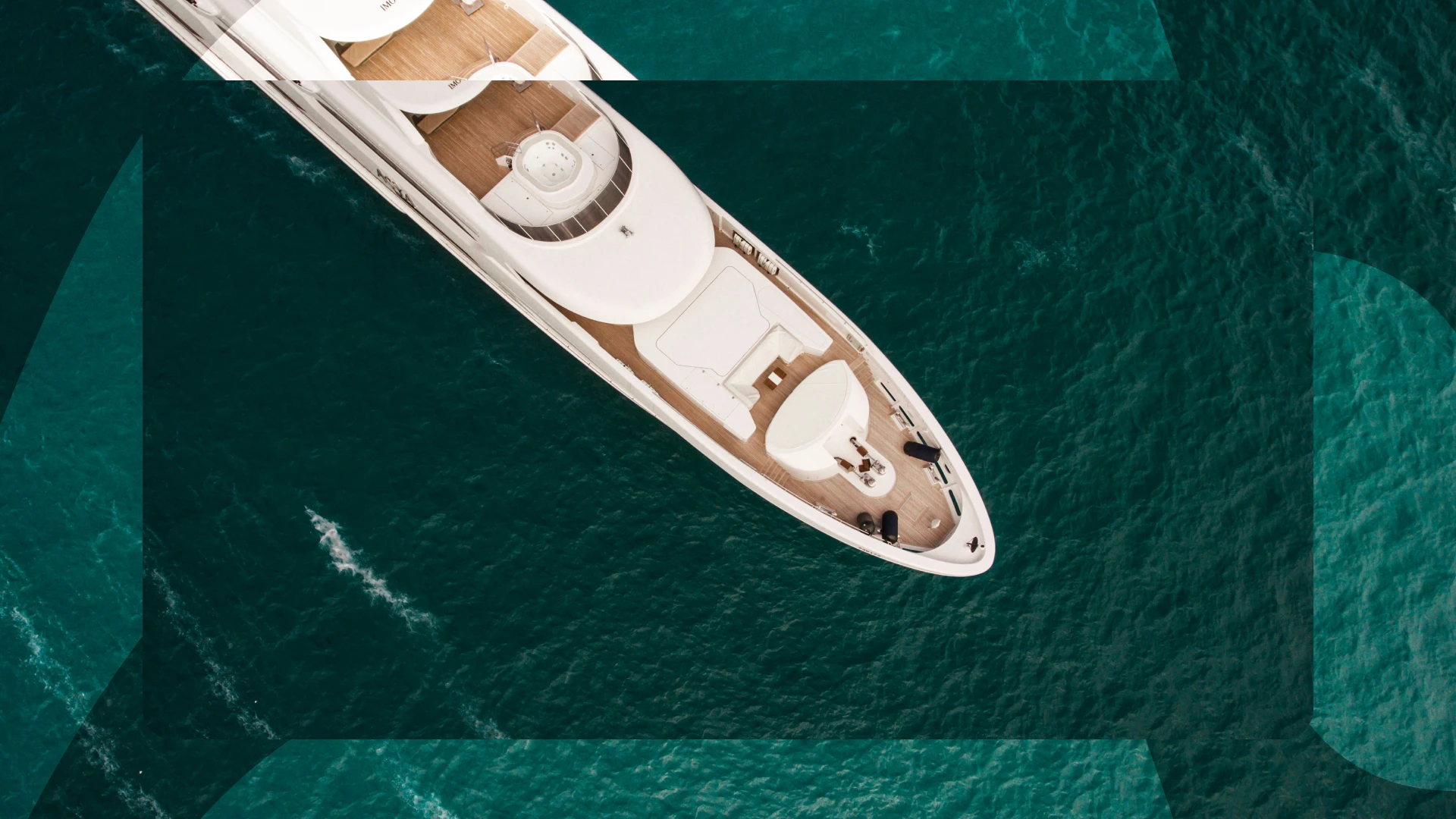
Yachts aren’t built from a template—and their insurance shouldn’t be either.
Unlike smaller recreational boats, yachts are often custom-built, heavily upgraded, or uniquely outfitted for how their owners use them. From specialized electronics to crew arrangements and long-range cruising plans, no two yachts are exactly alike.
That’s why yacht insurance is typically designed to be highly customizable, with coverage shaped around the vessel itself—not a generic checklist.
Here’s what yacht insurance can include, and why tailoring coverage matters.
Disclaimer: Yacht insurance coverage varies by company and policy. The information below is general and may not reflect the exact features, limits, or endorsements available for your vessel. Always review your policy documents or speak with a licensed agent to understand your specific coverage.
Yacht insurance typically applies to vessels that are:
These characteristics are often the tipping point discussed in this guide on whether you need yacht insurance and what to consider.
Because of this, coverage often goes beyond what a standard boat policy is built to handle.
This difference is explained in more detail in this comparison of yacht insurance versus boat insurance.
Instead of a one-size-fits-all approach, yacht insurance is usually structured around:
Physical damage coverage is designed to help protect the yacht itself. Depending on the policy, this can include:
For custom yachts, it’s especially important that values reflect upgrades, refits, and specialty materials, not just base market estimates.
Yachts carry higher liability exposure due to size, passenger capacity, and operating environments.
Liability coverage may include protection if you’re legally responsible for:
Liability limits are often higher on yacht policies than standard boat policies, but selecting the right limit depends on how the yacht is used.
Medical payments coverage may help with immediate medical costs for:
This coverage typically applies regardless of fault, but limits and conditions vary.
Many yachts carry additional watercraft or equipment. Yacht insurance can include coverage for:
Whether these items are automatically included or must be listed separately depends on the policy and their value.
If your yacht is crewed—even part-time—coverage needs can change. Usage matters even more when income or passengers are involved, which is covered in this article on chartering a yacht and related insurance risks.
Depending on the situation, yacht insurance may include or require:
Crew exposure is one of the most common reasons yacht policies differ from standard boat coverage.
Yacht insurance policies often include navigation limits that reflect how the vessel is used.These limits become especially important for extended cruising, which is discussed in this guide on taking your boat across state or international borders. Coverage can be tailored for:
Customizing navigation limits helps ensure coverage applies where you actually operate the yacht.
Two yachts with the same length can have dramatically different risk profiles.
For example:
Using a generic policy can lead to undervalued coverage, exclusions, or unexpected gaps.
Many yacht owners run into this issue because of common misunderstandings, which are outlined in this article on boat insurance myths that can sink you financially.
One yacht is used for weekend coastal trips. The other is equipped for long-range cruising with a tender, upgraded electronics, and crew assistance.
If both were insured the same way:
Tailoring coverage ensures the policy matches the yacht—not just its size.
Yacht insurance typically covers far more than just the vessel—but only when the policy is built around how your yacht is actually designed and used.
Because yachts are often custom, their insurance should be too. Reviewing values, usage, and onboard features helps ensure your protection fits your yacht—not the other way around.
Own a custom or high-value yacht?
Get a personalized yacht insurance review or quote from Sun Coast General Insurance Agency and make sure your coverage reflects your vessel.