Start a new quote
New customer to Sun Coast? You are in the right place. Select a product below to get started.
New customer to Sun Coast? You are in the right place. Select a product below to get started.

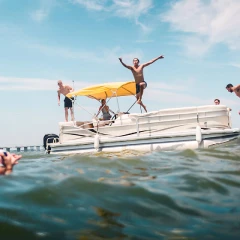











It is one of the most common questions we get from boaters and personal watercraft owners, and the answer is more nuanced than a simple yes or no. Insurance coverage and life jacket requirements are connected, but not in the way most people assume. This guide walks through what the law actually requires, what insurance policies actually say, and how a real claim plays out when life jackets become part of the conversation.
⚠️ Important: This article is general educational information, not legal or regulatory advice. Boating safety requirements are set by the U.S. Coast Guard and state agencies (Fish & Wildlife, Department of Boating, marine patrol) — and they change. Always verify current requirements with the USCG and the boating authority in your state before relying on this content, particularly before a trip or before purchasing equipment. Insurance coverage implications vary by carrier, policy, and circumstance; consult your licensed agent for specifics on your policy.
Life jacket requirements are set by federal and state law, not by your insurance policy. The federal baseline:
State laws frequently expand on these. Many states require all PWC riders to wear life jackets regardless of age, set minimum age requirements for PWC operation, or require life jackets for water skiers and tubers. Florida, California, Texas, Washington, and most other major boating states have parallel or stricter requirements on top of federal law.
Most boat and PWC insurance policies do not explicitly require occupants to be wearing life jackets at the time of a claim for coverage to apply. The policy covers the vessel, the operator, and (in most cases) the passengers, regardless of whether they were wearing a life jacket when the incident happened.
That said, the absence of a life jacket can affect a claim in three real ways:
It can be a citation issue. If the incident triggers a Coast Guard or state marine patrol investigation, missing or unworn life jackets where they were required by law can result in citations and may be referenced in the incident report. The incident report becomes part of the carrier's file.
It can affect comparative negligence in a liability claim. If a passenger is injured and sues, the absence of a required life jacket can be raised as a factor in the comparative-negligence analysis. The same exposure exists if a third party is injured and you are partially at fault.
It can affect investigations of incidents involving children. Children under 13 are required to wear life jackets while underway in most circumstances. If a child is injured and was not wearing a required PFD, both the legal and insurance follow-through can be more complicated.
The honest answer is: most claims do not turn on whether passengers were wearing life jackets. Plenty turn on whether the required equipment was even on the boat. The difference between "had life jackets but no one was wearing them" and "did not have life jackets at all" is significant.
PWC (jet skis, WaveRunners, Sea-Doos) are a separate category. Federal and state law generally require all operators and passengers to wear life jackets while operating a PWC. There is no enclosed cabin to retreat to, no place to sit calmly with a stowed PFD, and the activity itself involves a much higher likelihood of going into the water unexpectedly. The legal requirement is universal in most jurisdictions, and the practical case for compliance is stronger on PWC than on any other recreational vessel.
For PWC owners, the answer to "do I need to wear a life jacket" is almost always yes — legally, practically, and for a claim that turns on operator conduct.
Type V inflatable life jackets are popular with anglers, cruisers, and other boaters who prefer not to wear bulky foam vests in hot weather. They are USCG-approved as Type V, but they have a specific requirement: they only count toward the required PFD complement when they are actually being worn. An unworn inflatable in a locker does not count, the same way an expired flare does not count.
If your safety equipment is built around inflatables, the practical answer is that the inflatables need to be on people, not in a locker, for the boat to be in compliance.
When a serious incident happens — a passenger injury, a man-overboard event, a fatality — the carrier and Coast Guard investigation usually surface several things in parallel:
The presence of life jackets matters in most of these. Their use matters specifically where the law requires it.
You most likely do not have to be wearing a life jacket for coverage to apply on most recreational boat policies. You do have to have USCG-required life jackets aboard. Children must wear them. PWC riders must wear them. And in any claim involving injury, the use or non-use of a PFD will be reviewed as part of the investigation, even if the policy itself does not condition coverage on it.
In short: carry the right equipment, follow the legal requirements that say "wear them" rather than "carry them," and treat life jackets as a basic operating standard rather than a checkbox.