Start a new quote
New customer to Sun Coast? You are in the right place. Select a product below to get started.
New customer to Sun Coast? You are in the right place. Select a product below to get started.

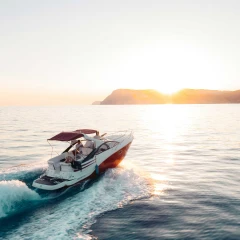










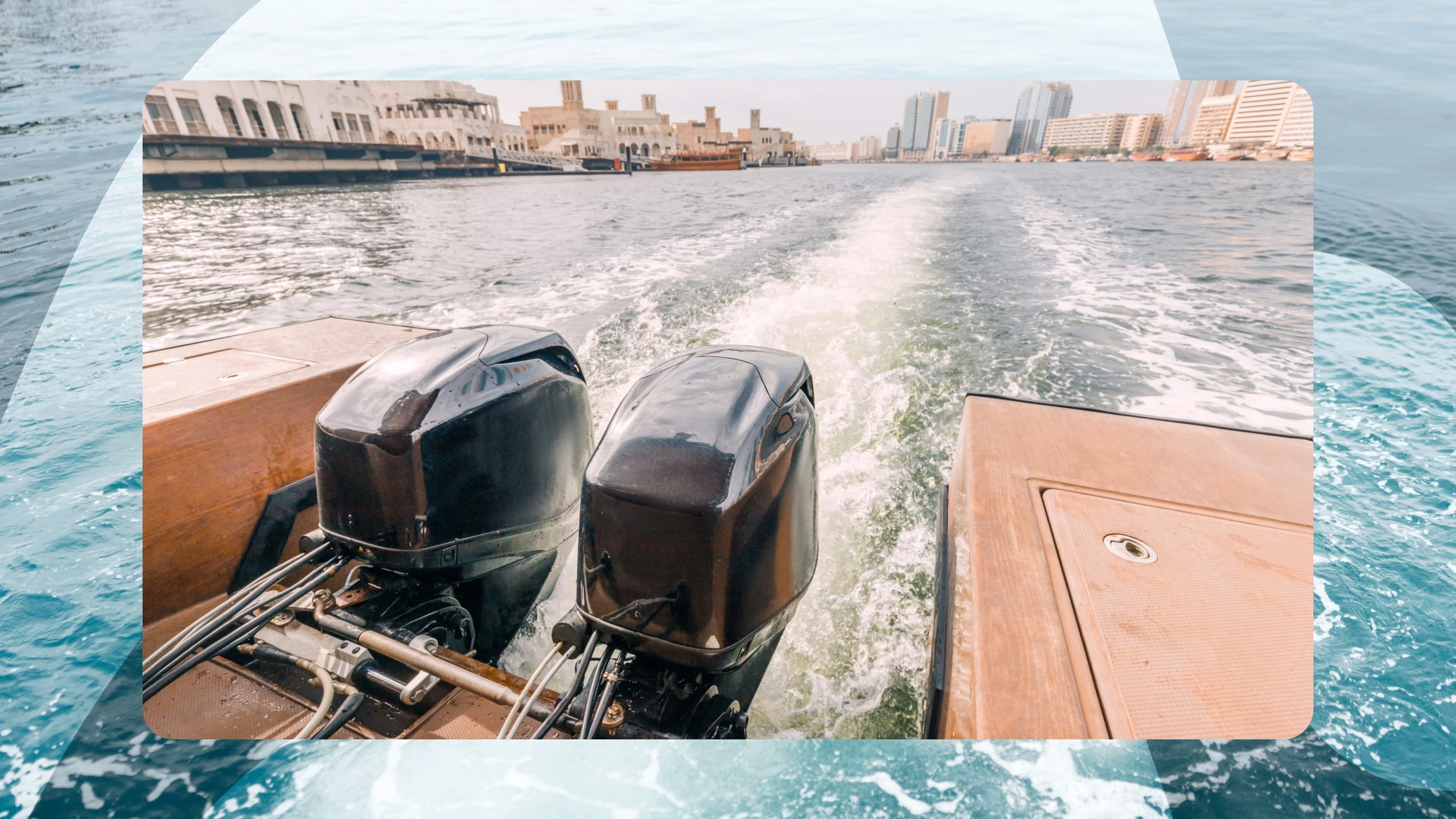

A blown engine is one of the most expensive problems a boat owner can face. Marine engines can cost several thousand dollars to well over $30,000 to replace, and the labor involved adds up quickly. When it happens, the first question is almost always the same: does boat insurance cover this?
The answer isn't straightforward. Whether boat insurance may cover engine damage depends far less on what failed — and far more on why it failed.
Disclaimer: Boat insurance coverage varies by policy, carrier, and circumstances. The information below is general in nature and may not reflect the exact terms of your specific policy. Always review your policy documents or speak with a licensed insurance professional to understand your coverage.
The term "blown engine" gets used loosely to describe any severe engine failure, but from an insurance standpoint the specific nature of the failure matters. Common scenarios that fall under the blown engine umbrella include severe overheating that warps or cracks the block, internal mechanical failure involving rods or pistons, a cracked engine block from water intrusion or impact, seized pistons or a locked-up powerhead, and catastrophic failure that requires full replacement rather than repair.
In each case, an adjuster will look past the failure itself and focus on the root cause. That determination shapes whether a claim may be covered.
Boat insurance policies can include coverage for engine damage when the failure stems from a sudden, accidental event — meaning something unexpected that happened at a specific moment in time, rather than a condition that developed gradually.
Striking a submerged object. If your boat hits a rock, sandbar, or submerged debris and the impact damages the lower unit, outdrive, or engine itself, the resulting damage may be considered part of a covered collision loss. This is one of the more common scenarios where engine claims are approved.
Water intrusion from a covered accident. If water enters the engine as a result of a covered incident — a collision, a swamping event, or a sudden wave — the resulting engine damage may be covered depending on how your policy is written.
Fire or explosion. Engine damage caused by an onboard fire or fuel explosion is generally considered a covered peril under most boat insurance policies.
Theft-related damage. If an attempted theft results in damage to the engine or its components, that damage may be covered under the theft provisions of your policy.
In each of these cases, the key element is that the damage was caused by a specific, identifiable event rather than a gradual process.
This is where most engine claims run into trouble. The majority of boat engine failures — even catastrophic ones — are excluded from standard boat insurance policies because they trace back to maintenance, wear, or operational issues rather than a sudden accident.
Wear and tear. Engines degrade over time. Insurers generally treat this as the owner's responsibility to manage through maintenance and timely replacement.
Lack of maintenance. If an engine fails and investigation reveals it wasn't properly maintained — dirty oil, ignored warning lights, skipped service intervals — the claim is likely to be denied.
Overheating from operational issues. Running an engine with low coolant, a failed impeller, or a blocked water intake is considered an operational error. Engine damage from overheating under these conditions is typically excluded.
Corrosion and electrolytic damage. Gradual corrosion, stray current damage, and electrolysis are considered long-term deterioration rather than sudden loss events.
Improper winterization. Engine block damage from water freezing inside an improperly winterized engine is one of the more common exclusions boaters encounter, particularly in colder climates.
Running the engine after known damage. If you continued operating after warning signs appeared — alarms, overheating gauges, unusual sounds — and the engine eventually failed as a result, insurers may argue the damage was worsened by the operator's actions.
Manufacturer defects. Defects are generally considered a warranty matter between the owner and the manufacturer, not an insured loss.
Unlike a collision or theft where the event is usually clear-cut, engine failures are frequently ambiguous. An engine can seize suddenly, but the conditions that led to that seizure may have been building for weeks or months. Because of this, insurers often conduct a thorough investigation before making a coverage determination.
An adjuster may review service and maintenance records going back several years, including oil change logs, impeller replacement history, and whether the boat received regular winterization. A marine mechanic may be hired to conduct an independent inspection and offer an opinion on the likely cause of failure. If the investigation suggests the failure had a preventable root cause, the claim may be denied even if the failure itself appeared sudden.
This is one of the most important reasons to keep detailed maintenance records. Documentation that shows consistent, proper upkeep can make a meaningful difference in how an engine claim is evaluated.
A cracked engine block is a specific and often devastating failure. Whether it may be covered depends entirely on what caused the crack.
A block cracked by impact — such as striking a submerged object at speed — may be covered as part of a collision loss. A block cracked by freezing water from improper winterization is almost universally excluded. A block cracked by overheating due to a failed cooling system is generally excluded as a maintenance or operational issue.
If you're uncertain about how your policy treats cracked block scenarios, it's worth asking your agent before you need to find out during a claim.
Standard boat insurance policies generally exclude mechanical breakdown — meaning engine failure that occurs as a result of normal wear, fatigue, or internal mechanical failure without an external cause.
Some carriers offer an optional mechanical breakdown endorsement that may extend coverage to certain types of engine failures that would otherwise be excluded. This add-on is not universally available and comes with its own conditions and limitations, but it may be worth asking about if you own a high-value engine or an older vessel where mechanical reliability is a concern.
If you experience engine failure on the water, how you respond may affect your coverage.
Shut the engine down immediately. Continuing to run an engine that is failing can cause additional damage that may complicate a coverage determination. Document everything as soon as possible — the conditions, any warning sounds or indicators, the time and location, and what happened in the moments before the failure. Take photos if practical.
Do not restart the engine without guidance from a marine mechanic. Contact your insurance agent or carrier early in the process, even before repairs are assessed. Reporting promptly and accurately establishes the record of the event. Keep all repair estimates, mechanic reports, and invoices — these will be important if a claim is filed.
When engine damage is part of a covered loss, boat insurance can include coverage for engine replacement. However, a few factors shape how much you may actually receive.
Your deductible applies first. Depreciation may also factor in on older engines if your policy is written on an actual cash value basis — meaning a 12-year-old outboard is unlikely to be replaced at today's new engine price. Agreed value policies avoid this issue by paying a set amount agreed upon at policy inception, without depreciation adjustments.
Some policies include engine-specific sublimits or exclusions, particularly for older engines or vessels with high-horsepower setups. Reviewing these details with your agent before you need them is worth the time.
If your boat has a high-value engine or you boat in conditions that increase risk, it’s worth reviewing your coverage carefully.
Boat insurance can include protection for accidental engine damage, depending on how your policy is structured.
👉 Get a fast, free boat insurance quote today and make sure your coverage is built for more than just calm days on the water.