Ready to Hit the Water?
See how much you could save on Boat Insurance today.
Quote my boat
Ready to Hit the Water?
See how much you could save on Boat Insurance today.
Quote my boat
Ready to Hit the Water?
See how much you could save on Boat Insurance today.
Quote my boat
Boat Insurance

What Happens If You Run Over Rocks With a Boat?

Learn how boat insurance may help cover repairs after running over rocks.

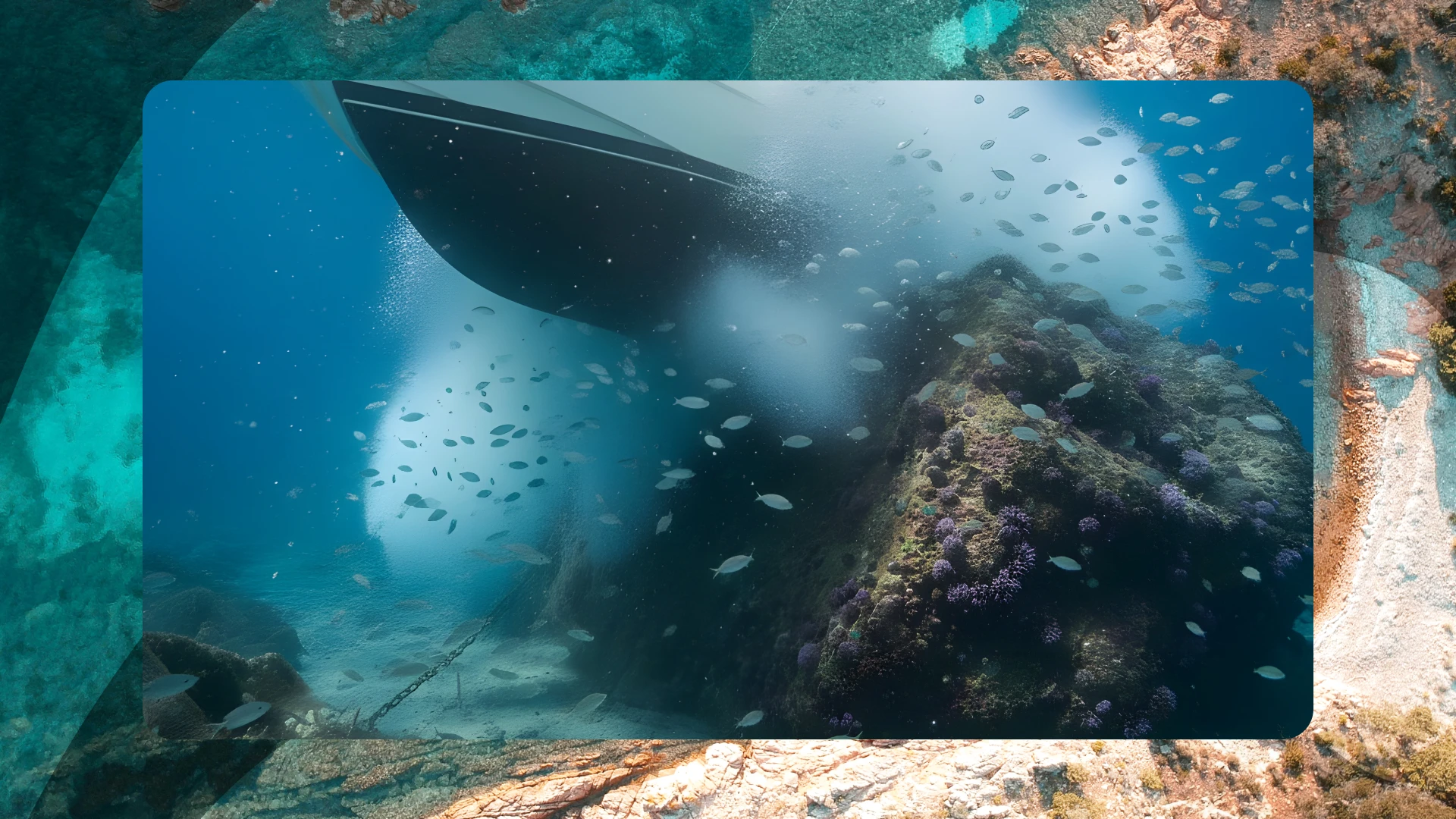
Running over rocks is one of the most common — and expensive — boating accidents. It doesn’t always happen at high speed, and it doesn’t always look dramatic in the moment. Sometimes it’s just a jolt, a sudden vibration, or a strange noise that makes you wonder if something went wrong.

The bigger concern often comes later: What damage did I just cause — and is it covered?

Here’s what boat owners should know if their boat hits rocks, reefs, or shallow hazards.

Disclaimer: Boat insurance coverage varies by policy, carrier, and situation. The information below is general in nature and may not reflect the exact coverage available under your policy. Always review your policy documents or speak with a licensed insurance professional to understand your specific coverage.

Common Damage From Running Over Rocks

Even slow-speed contact with rocks can cause serious issues. Damage isn’t always visible from above the waterline.

Typical Damage Can Include

  • Propeller damage (bent, cracked, or chipped blades)
  • Lower unit or outdrive damage
  • Shaft misalignment
  • Hull scratches, cracks, or punctures
  • Keel or skeg damage
  • Intake or cooling system blockages

In some cases, continuing to operate the boat after impact can make the damage worse.

Why Rock Damage Is Often Worse Than It Looks

A boat doesn’t need to stop abruptly for damage to occur. When the propeller or hull strikes rocks:

  • Force transfers through the drivetrain
  • Internal components can shift or crack
  • Minor exterior damage can hide major mechanical issues

That’s why marine mechanics often recommend a full inspection after any hard contact with underwater objects.

Is Hitting Rocks Considered an Accident?

In many cases, yes — but coverage depends on how your policy is written.

Boat insurance policies often distinguish between:

  • Sudden, accidental damage
  • Wear and tear
  • Negligence or improper operation

Running over submerged rocks can qualify as accidental damage, depending on circumstances and policy terms.

Can Boat Insurance Cover Damage From Rocks?

A boat insurance policy can include coverage for damage caused by striking submerged or visible objects, such as rocks, reefs, or sandbars.

Coverage can include:

  • Repairs to the hull
  • Damage to the propeller or drive components
  • Salvage or towing after the incident
  • Related mechanical repairs tied to the impact

However, coverage is not automatic, and exclusions or limitations may apply.

When Coverage May Be Limited or Denied

Boat insurance may not respond if damage is attributed to:

  • Normal wear and tear
  • Poor maintenance
  • Continuing to operate the boat after known damage
  • Operating outside navigable waters
  • Intentional or reckless behavior

This is why documenting the incident and stopping operation promptly can matter.

Example Scenario

You’re cruising in a familiar area at low tide and unknowingly cross a shallow section. The boat shudders briefly but keeps moving.

Later, you notice vibration and reduced performance.

  • Inspection reveals propeller damage and shaft misalignment
  • Repairs total several thousand dollars
  • Whether insurance helps depends on whether your policy includes physical damage coverage and how the incident is classified

Without proper coverage, repairs are typically out of pocket.

What To Do Immediately After Hitting Rocks

If your boat strikes rocks:

  1. Shut down the engine as soon as it’s safe
  2. Inspect for visible damage or leaks
  3. Avoid restarting if vibration or noise is present
  4. Document the incident with photos and notes
  5. Arrange towing if needed

Continuing to operate the boat can increase damage and complicate claims.

Why This Matters for Boat Owners

Rock damage doesn’t only happen offshore. It commonly occurs:

  • Near launch ramps
  • In lakes during low water levels
  • In coastal areas with shifting sandbars
  • While navigating unfamiliar waterways

Having the right insurance setup can help protect against the unexpected — both on the water and below it.

Get a Fast, Free Boat Insurance Quote

If you boat in shallow, rocky, or unfamiliar waters, it’s worth reviewing your coverage before something happens.

Boat insurance can include protection for accidental damage, depending on how your policy is structured.

👉 Get a fast, free boat insurance quote today and make sure your coverage holds up when the water gets shallow.

Ready to Hit the Water?
See how much you could save on Boat Insurance today.
Want to learn more about boat insurance?
Ready to Hit the Water?
See how much you could save on Boat Insurance today.
Quote my boat
Want to learn more about boat insurance?
View the Product
Written by
Sun Coast Team
January 19, 2026
Co-written by multiple experts within the Sun Coast editorial team.
Share this article
Support

FAQs

We have answers for you on all things insurance.
Is running over rocks with my boat considered an accident?
It can be considered accidental damage, depending on the situation and how your policy defines covered events.
Does boat insurance cover propeller damage from rocks?
Boat insurance can include coverage for propeller damage caused by accidental contact with rocks, depending on the policy.
Should I keep driving if I hit rocks?
It’s generally recommended to stop operation as soon as it’s safe to prevent further damage.
Does insurance cover shallow water damage?
Coverage depends on policy terms. Some policies limit coverage in certain conditions or locations.
Will boat insurance pay for an inspection after hitting rocks?
Some policies can include inspection costs related to a covered loss.
Our blog

Want to Learn More About Insurance?

The Sun Coast Blog is your go-to guide for all insurance knowledge.
Disclaimer: The information provided above is for general educational purposes only and is not intended to serve as a substitute for professional insurance advice. It does not describe any specific insurance policy, nor does it alter any terms, conditions, exclusions, or limitations of any actual policy. Coverage options and availability vary by insurer and by state, and may not be available in all areas. For a full understanding of any coverage, please review the actual policy documents or speak with a licensed insurance representative. Whether a claim or incident is covered will depend on the specific terms of the policy in question. Any references to average premiums, deductibles, or coverage costs are for illustrative purposes only and may not reflect your unique situation. Sun Coast is not responsible for the content of any external websites linked within this blog.

Get a quote with Sun Coast and see how much you can save on Insurance

Comparing our carrier’s rates and coverage is easy. Start saving on your insurance today.
Are you an existing customer?

Call (800) 300-8838